Nowadays, many patients with spleen and stomach deficiency tend to focus excessively on tonifying the spleen. They often consume spleen-strengthening tonics regularly, but the results are either ineffective or lead to further deficiency. In fact, the approach is incorrect because if one wishes to strengthen and tonify the spleen,Raising Yang is the key!
Traditional Chinese medicine says that "the spleen and stomach are the foundation of the acquired constitution." Yang qi is like the body's little sun, warming the entire digestive system. However, modern people often sit for long periods, move little, and enjoy cold drinks, which weakens the yang qi of the spleen and stomach, slows down digestion, and easily leads to bloating and discomfort. Such individuals often also experience symptoms such as fatigue in the limbs, chest tightness and shortness of breath, indigestion, loose stools, and stickiness.
The root of these problems lies in the inability of yang qi to properly extend, and the weakness of the spleen and stomach affecting the ascent and distribution of yang qi. Today, I will explain oneRising Yang Qi, Tonifying Spleen and Stomacha good prescription, it isSheng Yang Yi Wei TangIt can tonify the spleen and stomach, raise yang and eliminate dampness, and is commonly used to treat spleen and stomach weakness, and damp-heat stagnation in the middle jiao syndrome.

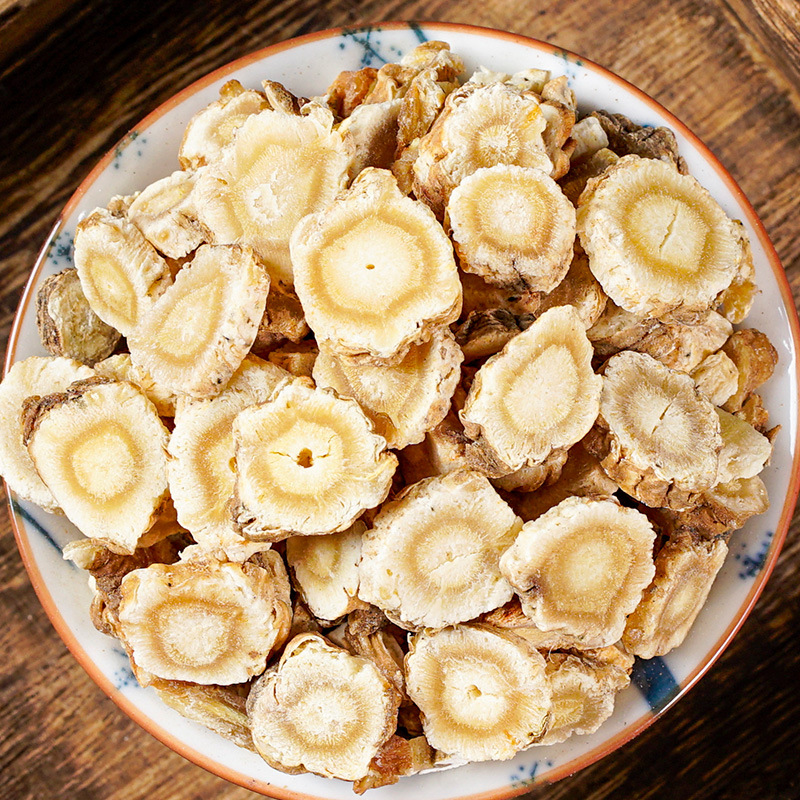
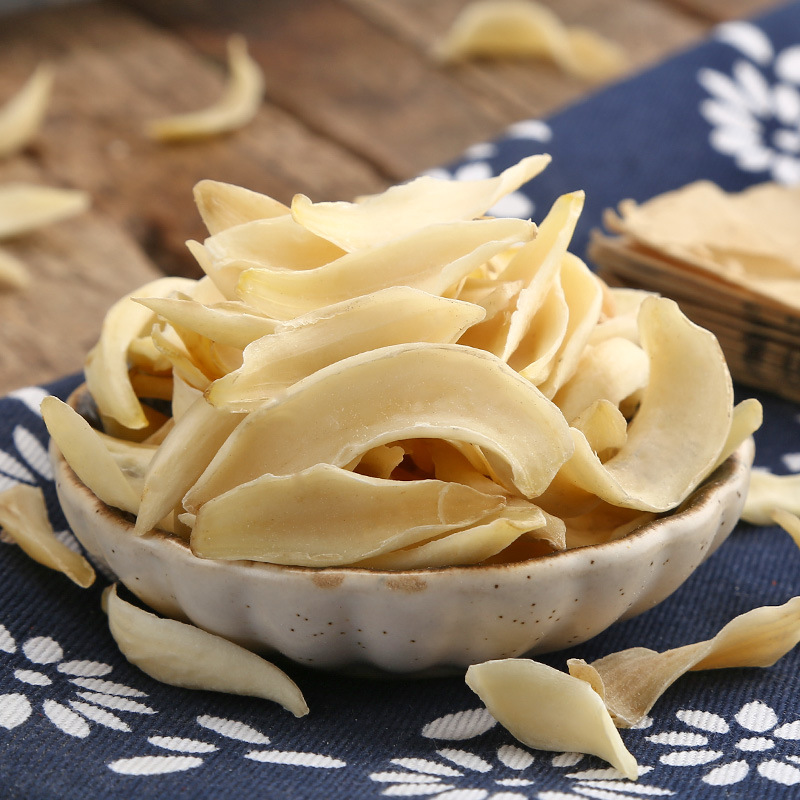
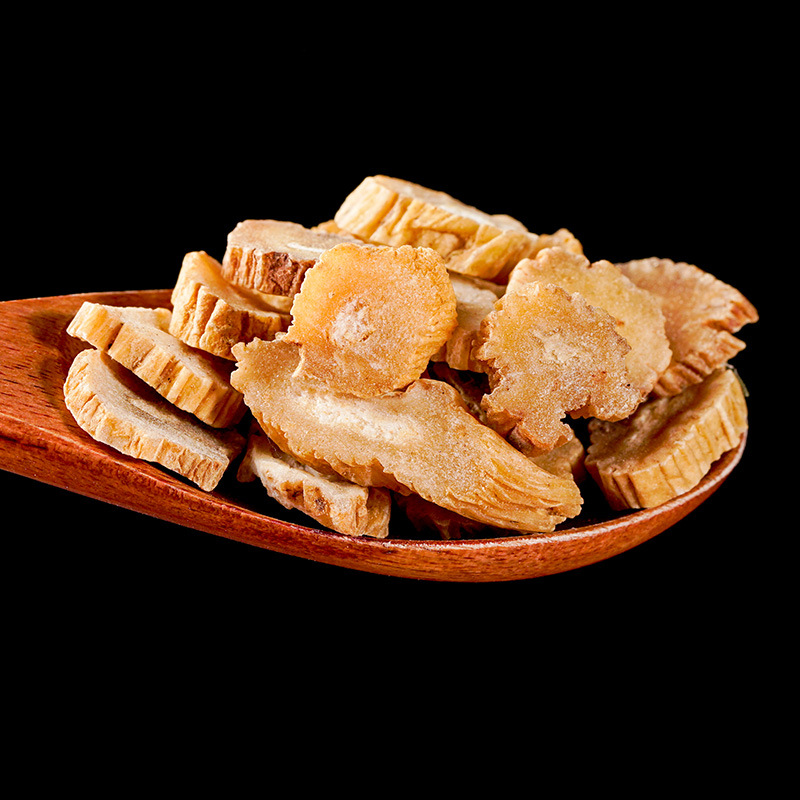
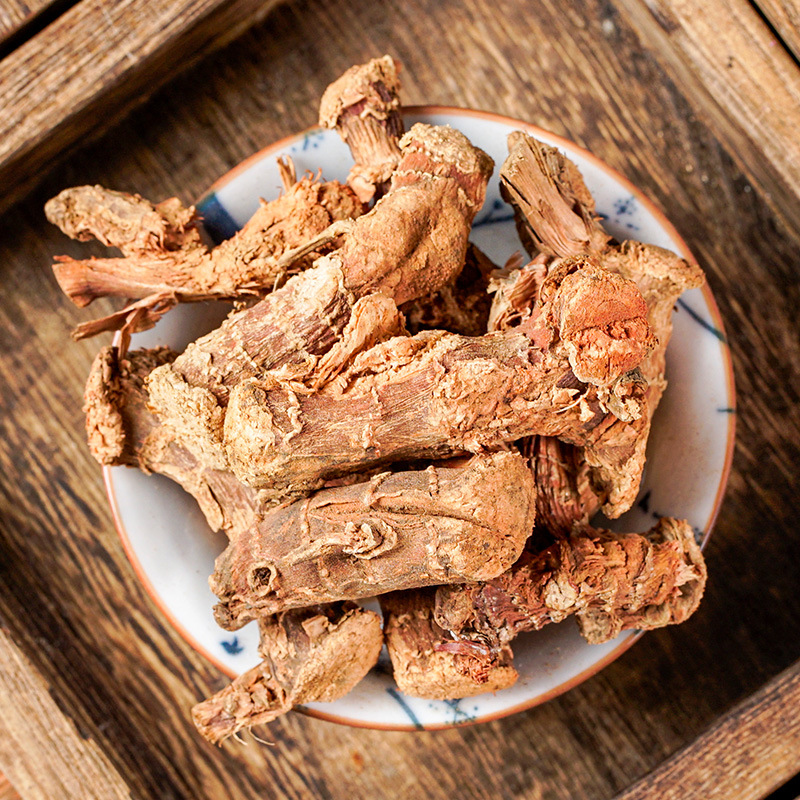
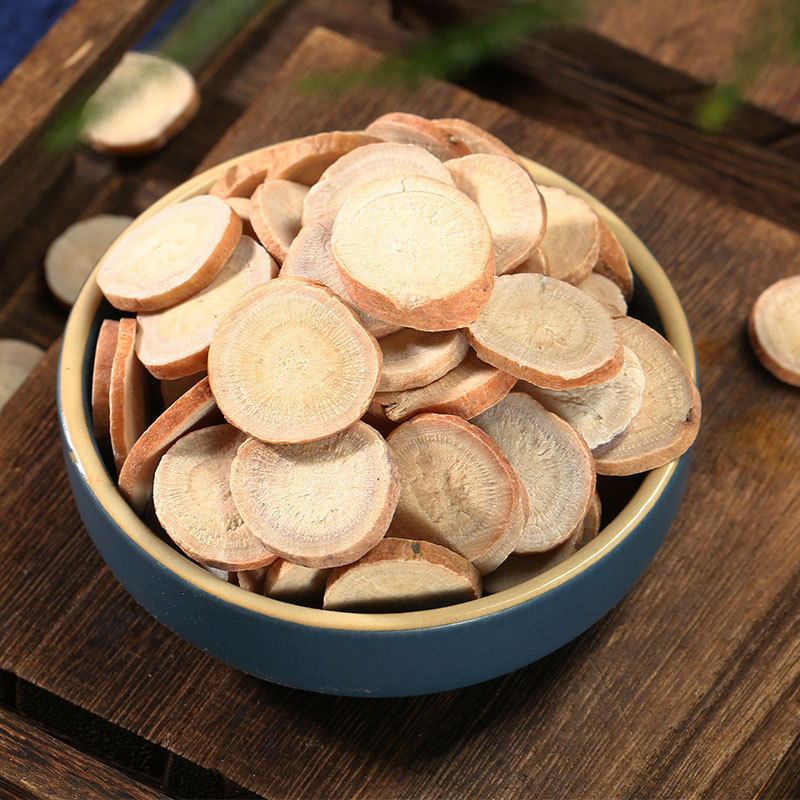
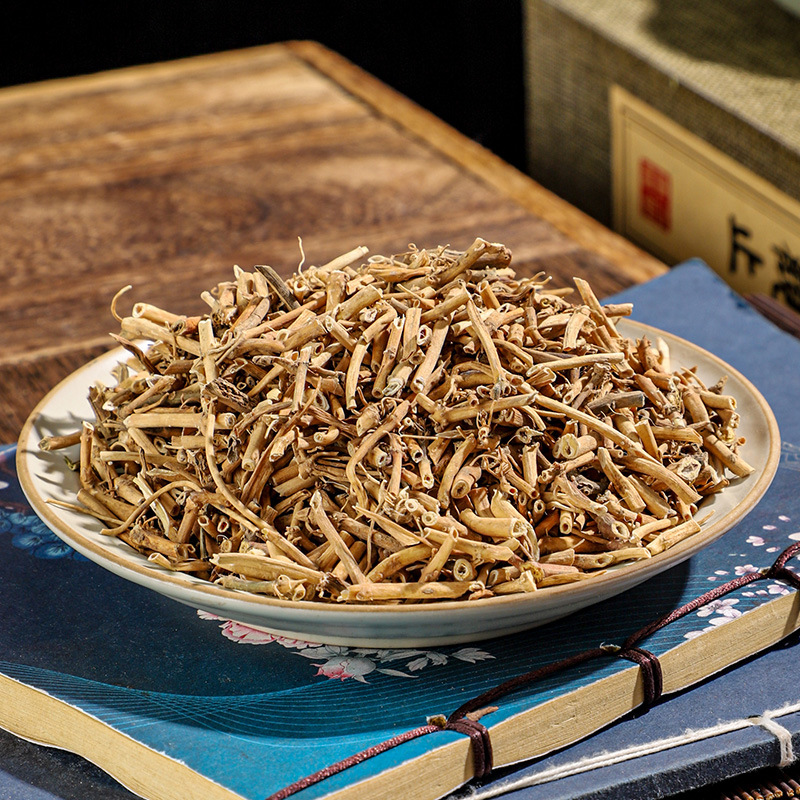
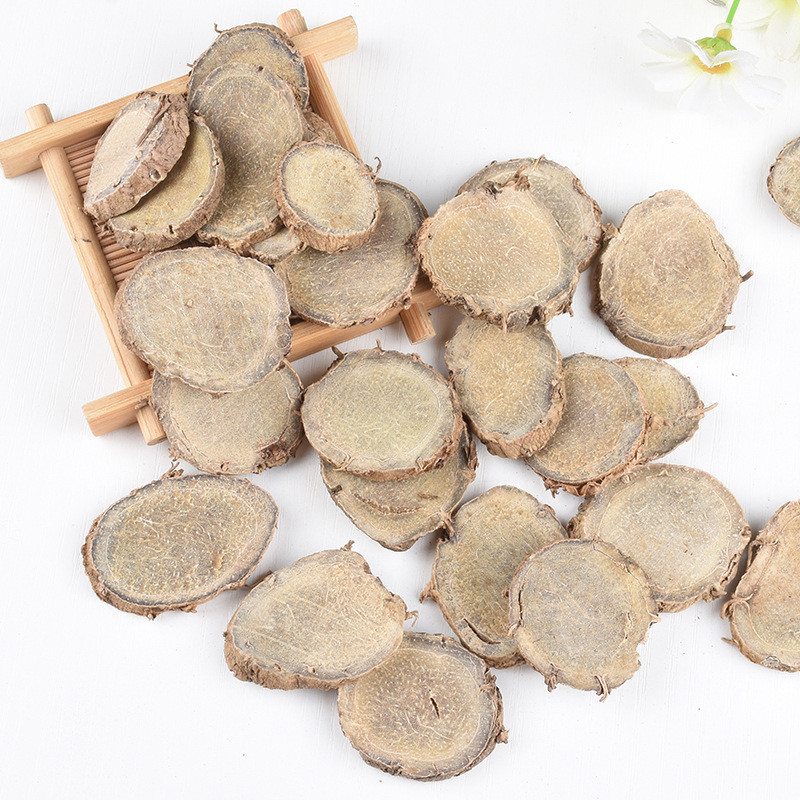
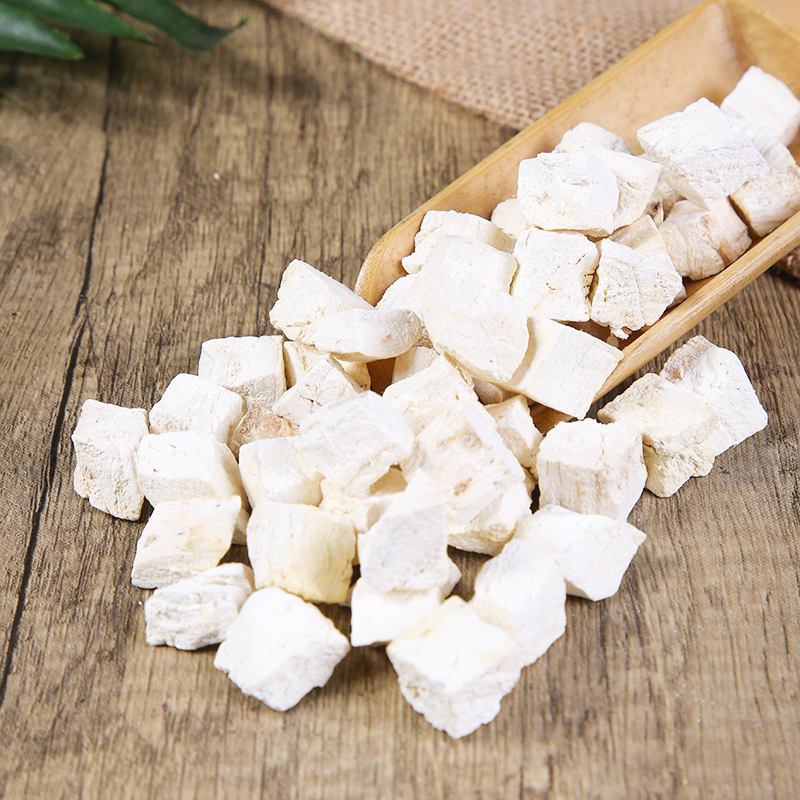
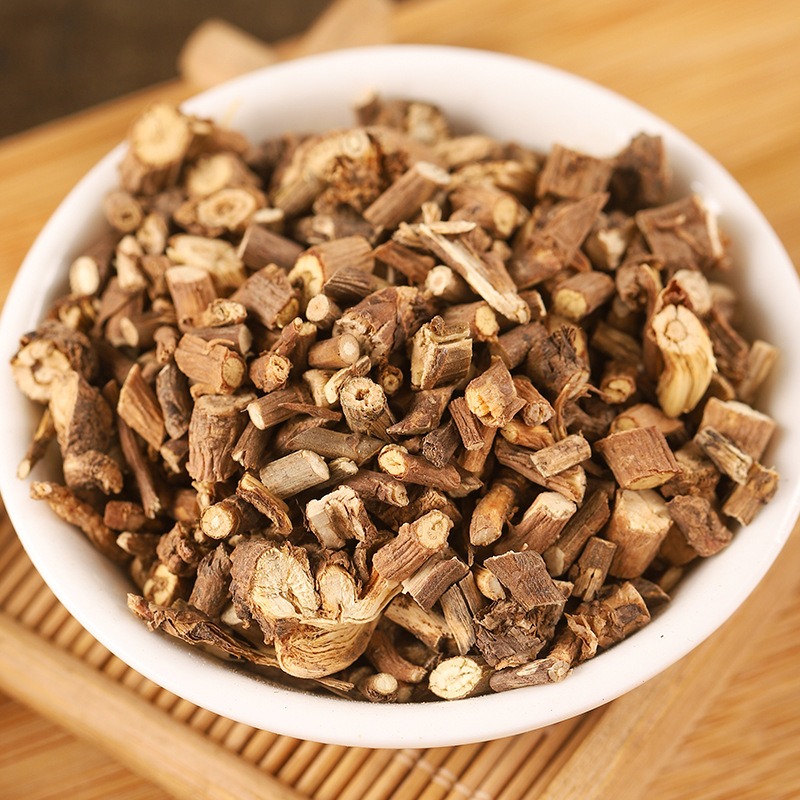
Among themAstragalus, Ginseng, Atractylodes, PoriaIt is a fundamental herb for invigorating the spleen and replenishing qiBupleurumIt can lead the yang qi to ascend; Fangfeng can assist the yang qi to reach outward, dispelling dampness evils in the spleen and stomach;Coptis chinensisClears damp-heat in the middle jiaoPinelliaIt can address issues of stomach bloating and excessive phlegm caused by dampness in the spleen and stomachWhite Peony Rootcan nourish yin and promote fluid productionLicorice Root, Dried Tangerine PeelIt can harmonize the spleen and stomach.
This prescriptiontonifying without stagnation, ascending without drynessIt not only nourishes the spleen and stomach but also addresses both the symptoms and root causes, making it particularly suitable for individuals with spleen and stomach deficiency accompanied by damp-heat. After consumption, symptoms such as bloating and loose stools are alleviated, and sensations of chest tightness and fatigue are significantly reduced. When the body's qi is replenished, it can stimulate the suppressed spleen yang, leading to a robust spleen qi and subsequently strengthening lung qi. This promotes the smooth flow of qi and balances yin and yang, ultimately achieving the goal of nourishing the spleen and stomach, raising yang, and eliminating dampness.
However, it is important to note that traditional Chinese medicine emphasizes syndrome differentiation and treatment. Since each individual has a different constitution and varying complexities of syndromes, it is crucial not to blindly apply treatments on one's own. Always use them under the guidance of a professional physician based on proper syndrome differentiation.