In hot weather, wearing thick clothing, emotional excitement, or physical exertion, the body naturally sweats to help regulate temperature and eliminate waste, which is a normal physiological phenomenon. However, if a specific area frequently sweats excessively, it often signals an abnormal condition in the body
In traditional Chinese medicine theory, "yang added to yin is called sweat," meaning the formation and excretion of sweat are the result of the combined action of the body's yang qi and yin fluids. When the body's yang qi is insufficient, abnormal excessive sweating often occurs.
More importantly, the deficiency of yang qi has its root in the "spleen." If spleen yang deficiency persists for a long time, it can also affect kidney yang, leading to a deficiency. As a result, the body's fluids cannot be retained and continuously leak out. This is why the more one sweats, the colder they feel. Moreover, excessive sweating not only damages yin but also depletes the body's yang qi, creating a vicious cycle: "the weaker the yang qi, the more sweating occurs; the more sweating occurs, the weaker the yang qi becomes." Such individuals often experience sweating with slight exertion during the day, night sweats while sleeping, fear of wind and cold after sweating, and even palpitations with cold hands and feet.
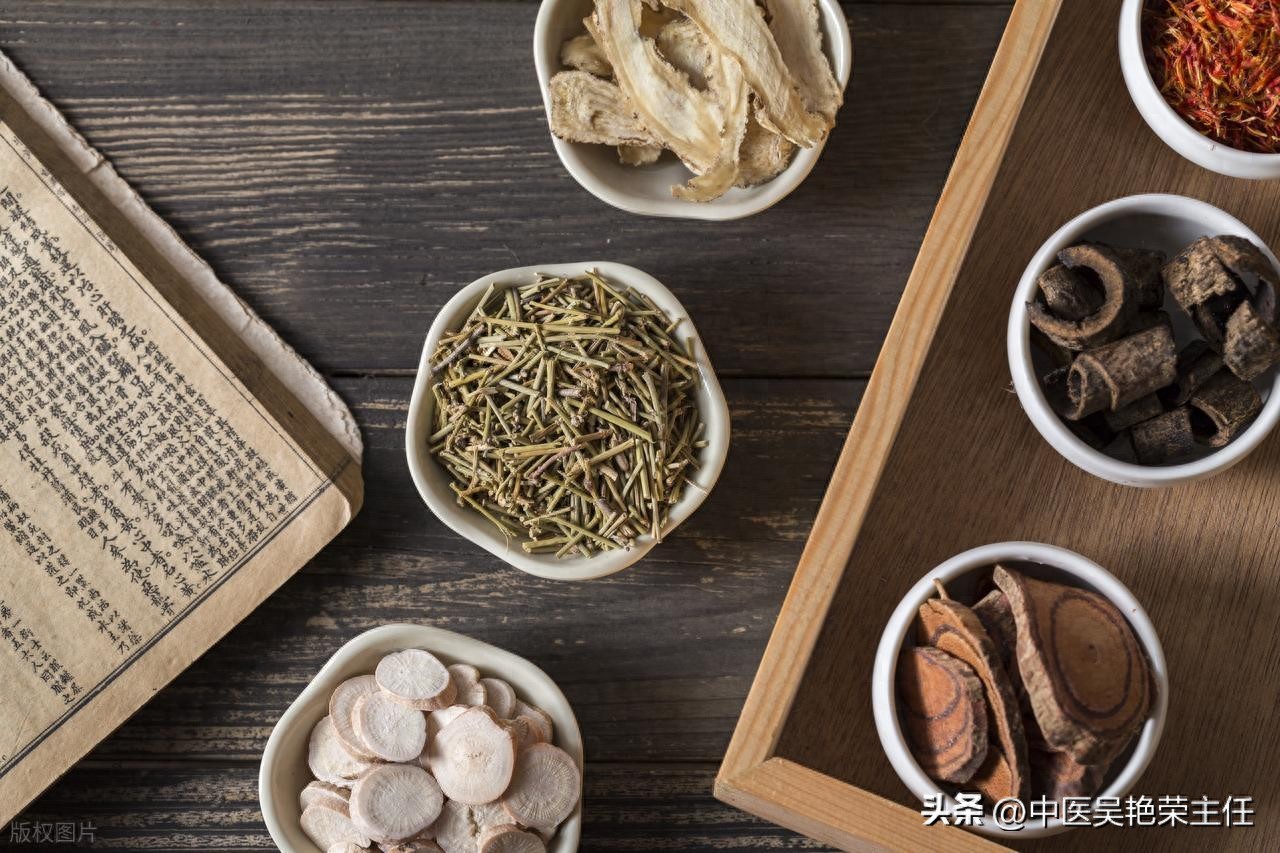
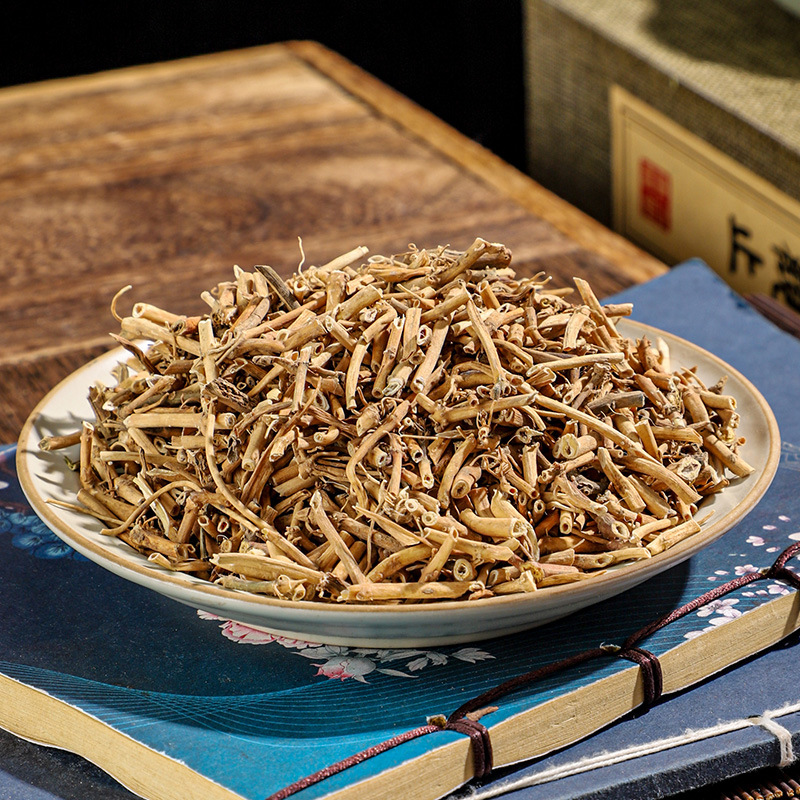
In the face of this situation, the core treatment approach lies in warming and tonifying the spleen and kidney yang, consolidating the exterior to stop sweating. We can refer toRamulus Cinnamomi and Radix Glycyrrhizae DecoctionThis prescription consists of only two herbs: cinnamon twig and licorice root. Among them, cinnamon twig can warm and unblock the heart yang, spleen yang, and kidney yang; licorice root can strengthen the spleen and replenish qi, harmonizing all the herbs.
The combination of the two medicines can not only warm and tonify heart yang but also harmonize ying and wei, addressing both the root cause and symptoms. This effectively resolves issues such as abnormal sweating, aversion to cold, and fatigue caused by spleen and kidney yang deficiency and insecurity of wei qi.
It is important to note that traditional Chinese medicine emphasizes syndrome differentiation and treatment. Since each individual has a different constitution and varying degrees of syndrome complexity, it is crucial not to blindly apply treatments on one's own. Always use them under the guidance of a professional physician based on proper syndrome differentiation.
If you have similar concerns and are unsure how to regulate your health, please feel free to share your specific situation in detail. I will help you with syndrome differentiation analysis and provide more suitable health advice.