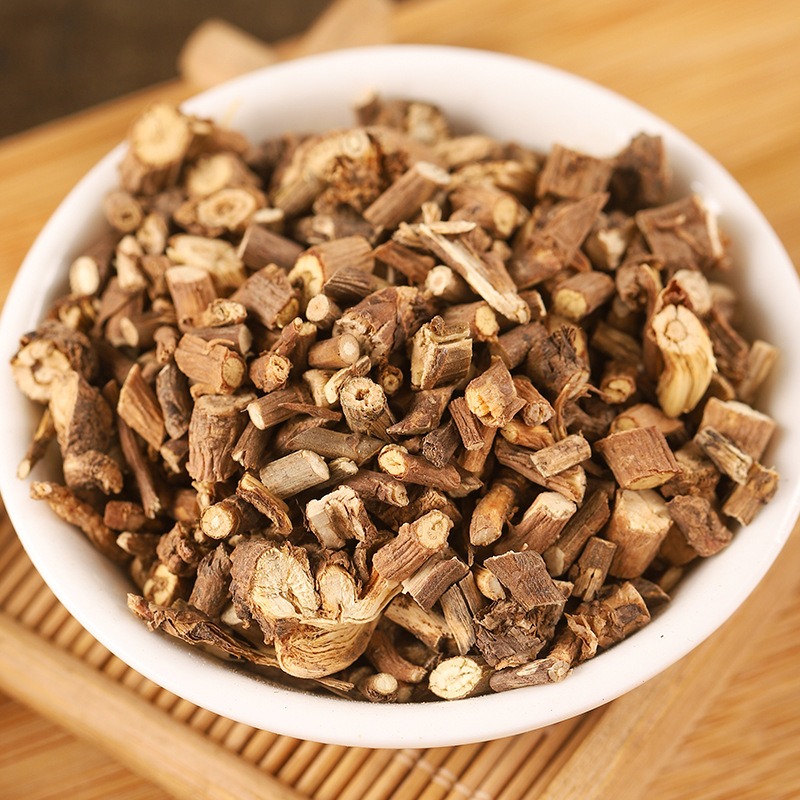
Many people want to nourish their kidneys but find long-term medication both mentally and financially draining. Today, we will discuss a method that does not involve medication!
First, we need to identify which type of kidney deficiency we belong to. If it is kidney yang deficiency, but we use medicine to tonify kidney yin, it will only worsen symptoms such as increased sensitivity to cold, lack of energy during the day, poor sleep at night, soreness in the lower back and legs, and uncontrolled nocturnal emissions.
Traditional Chinese medicine believes that yin and yang can mutually generate and influence each other. Prolonged kidney yang deficiency can also affect kidney yin. Therefore, when kidney yang deficiency occurs, we can usually use Chinese herbs to steep in water, supplementing through daily drinking.
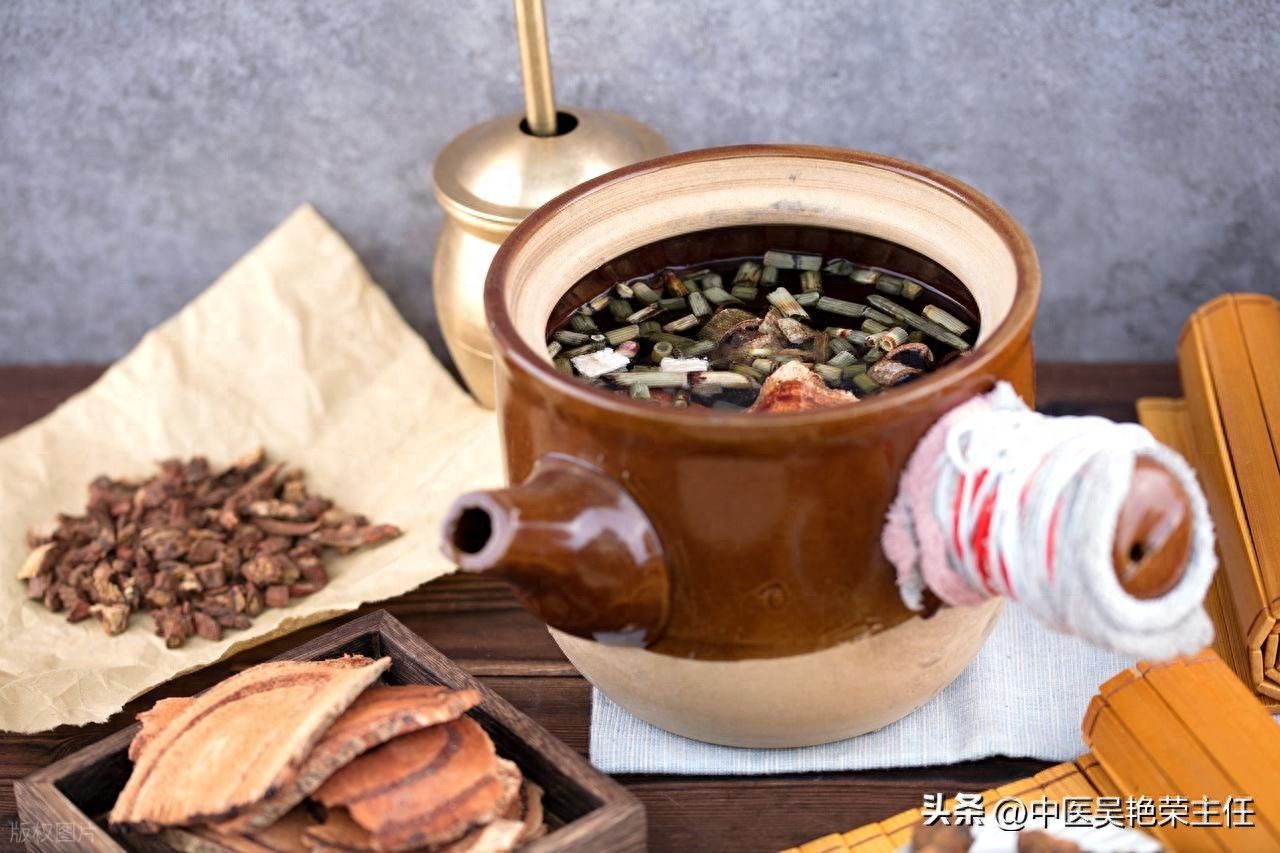
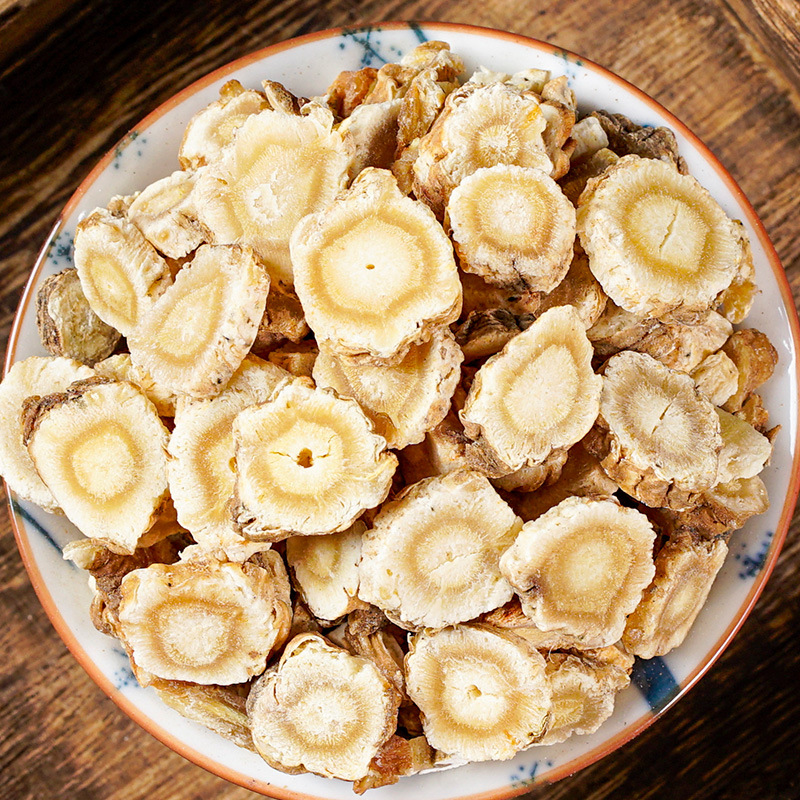
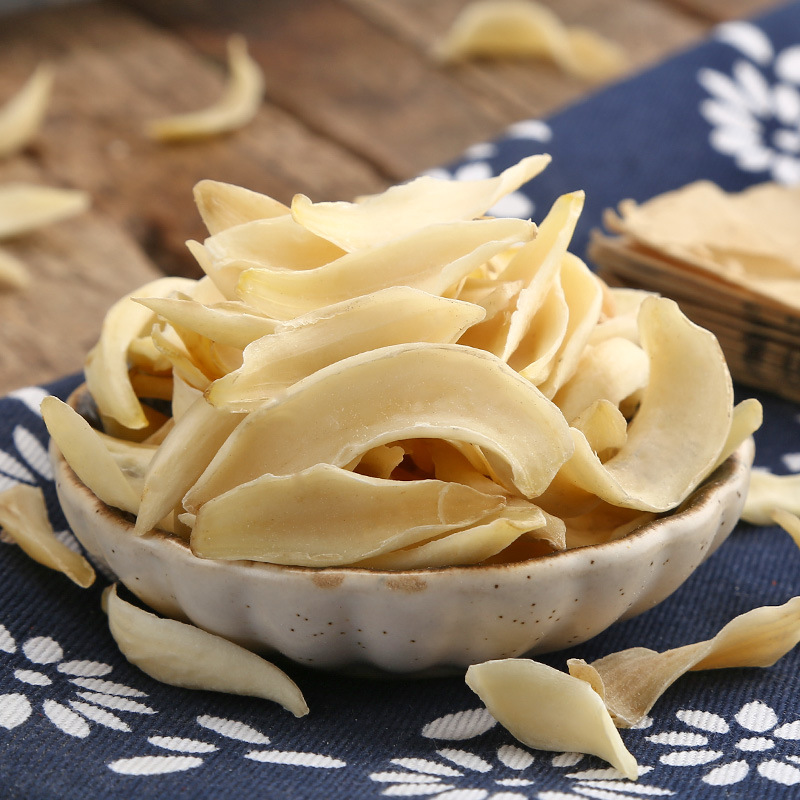
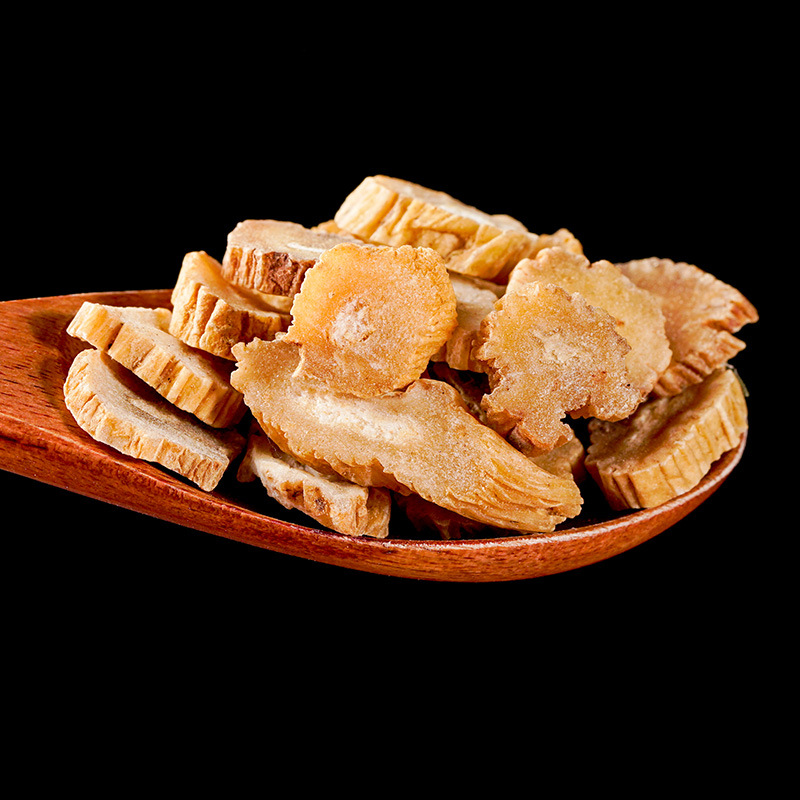
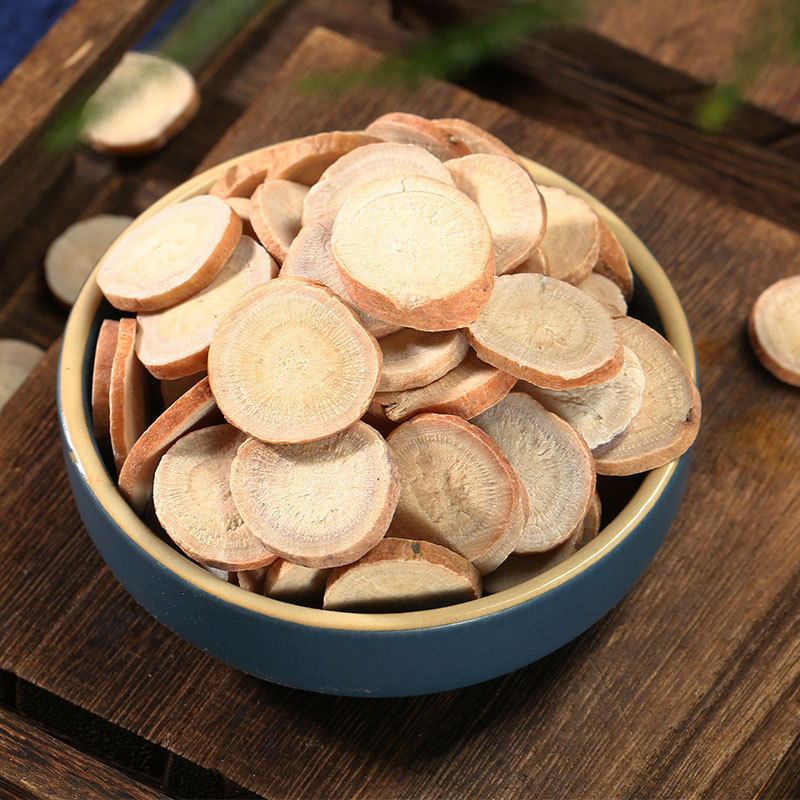
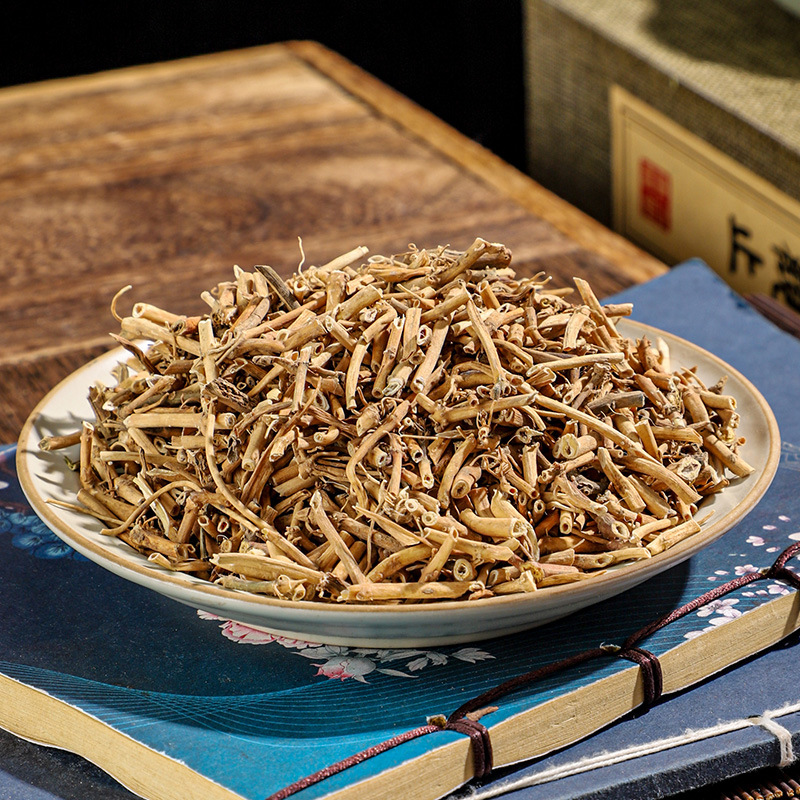
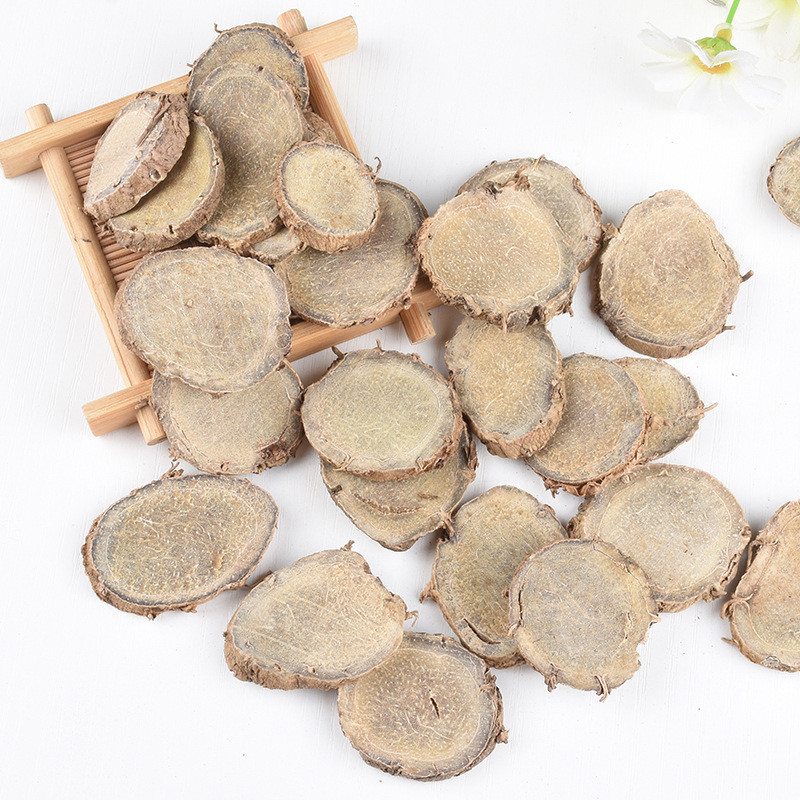
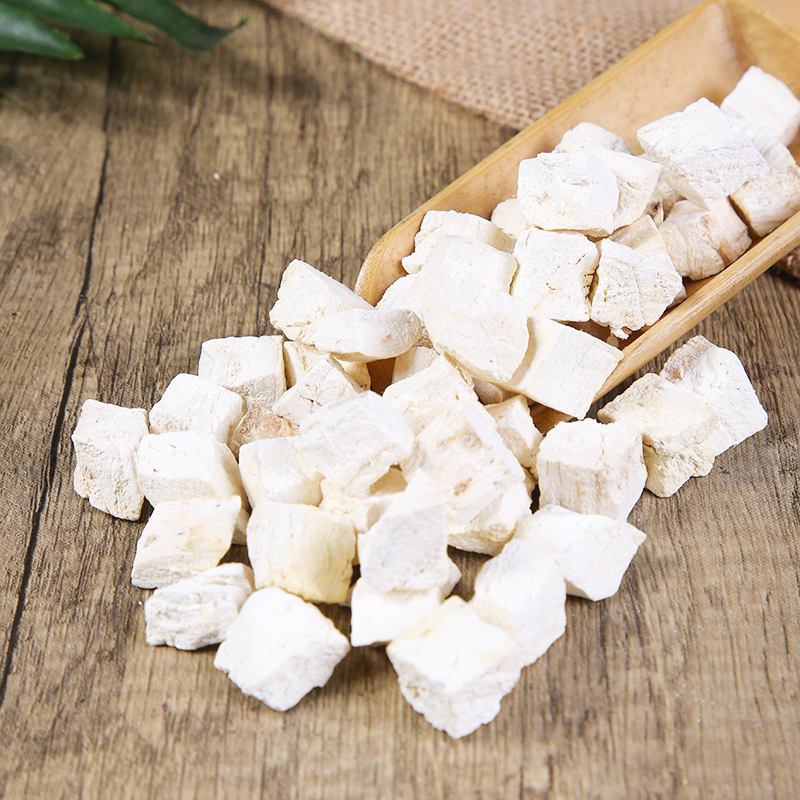
The two herbs I'm about to mention have a gentle warming effect, akin to "gradually adding a small flame to the body." Moreover, they don't require any additional ingredients—simply steep them directly. They areCuscuta chinensis, Morinda officinalis。
Cuscuta seeds can warm and tonify kidney yang, consolidate kidney qi, and strengthen the waist. They are particularly effective for those with slightly cold hands and feet and occasional lower back soreness, and long-term consumption is less likely to cause internal heat. Morinda officinalis has even stronger warming and yang-tonifying effects than cuscuta seeds and can also improve fatigue caused by yang deficiency.
It should be noted that when using herbal infusions to regulate kidney yang deficiency, it is best to steep no more than two herbs at a time. Avoid steeping three or four herbs simultaneously, as this can lead to conflicting medicinal properties. If yang deficiency is severe, it is essential to consult a traditional Chinese medicine practitioner for a personalized diagnosis based on your constitution, and to use decoctions or Chinese patent medicines for regulation.