Poor energy, lack of interest, don't take it lightly! Some male friends often feel tired during the day, easily distracted at work, and at night, they have "no desire" or "no strength" for intimacy, even "unable to get hard or last long." This is because the "little furnace" in the body lacks the energy to support it!
In traditional Chinese medicine, we are primarily active during the day, which is the most energetic time of the day. We need to think and digest, so the issue of insufficient yang qi supply becomes more apparent. At night, we are primarily quiet, as it is a time for rest when the demand for yang qi is lower. Therefore, we should nourish yang qi and store it.
In response to this situation, it can be referred toKidney Qi DecoctionRegulation, it specifically targets issues such as erectile dysfunction, decreased libido, and low interest in sexual activity.
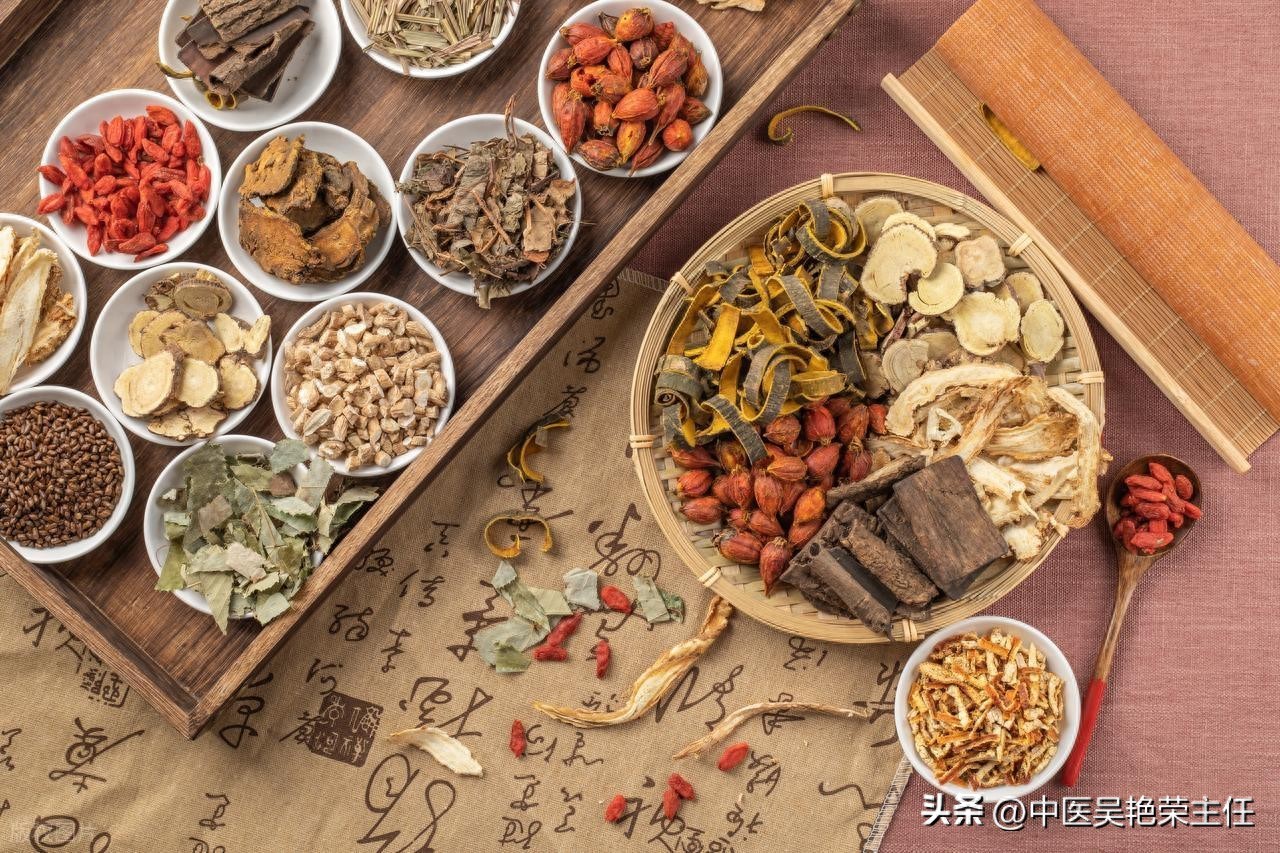
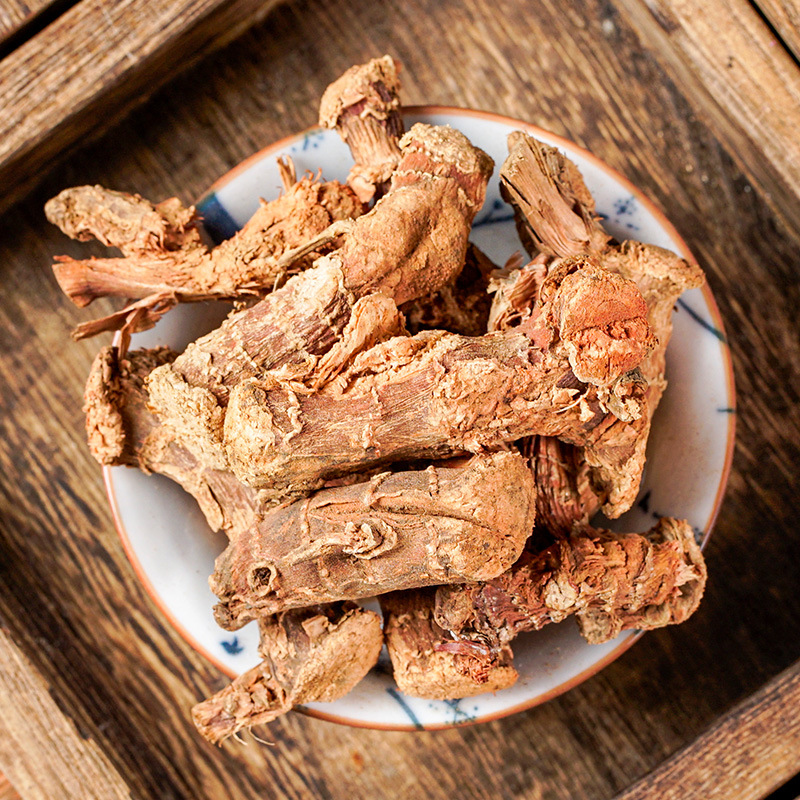
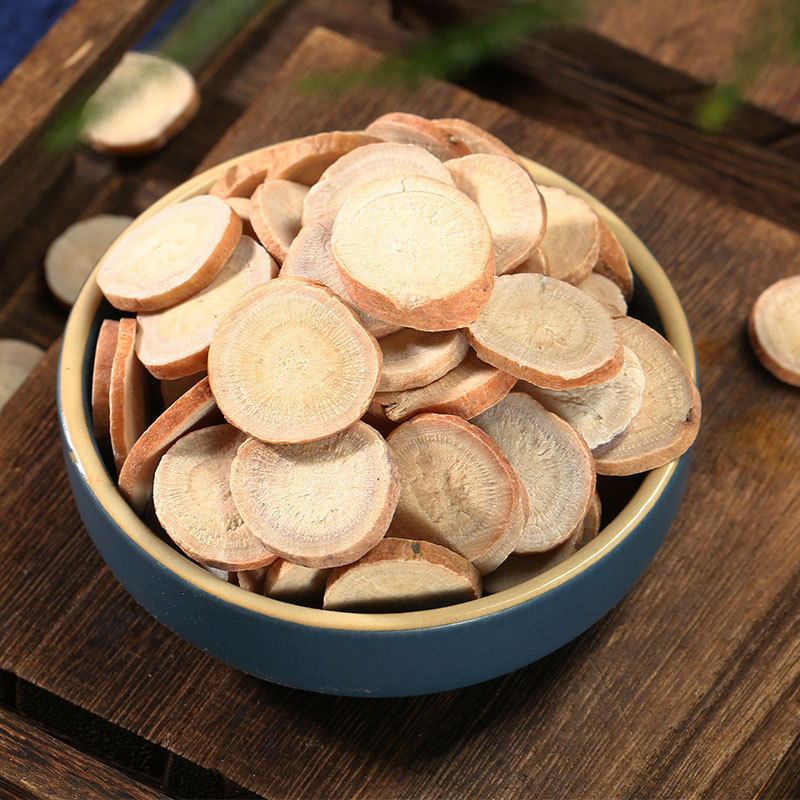
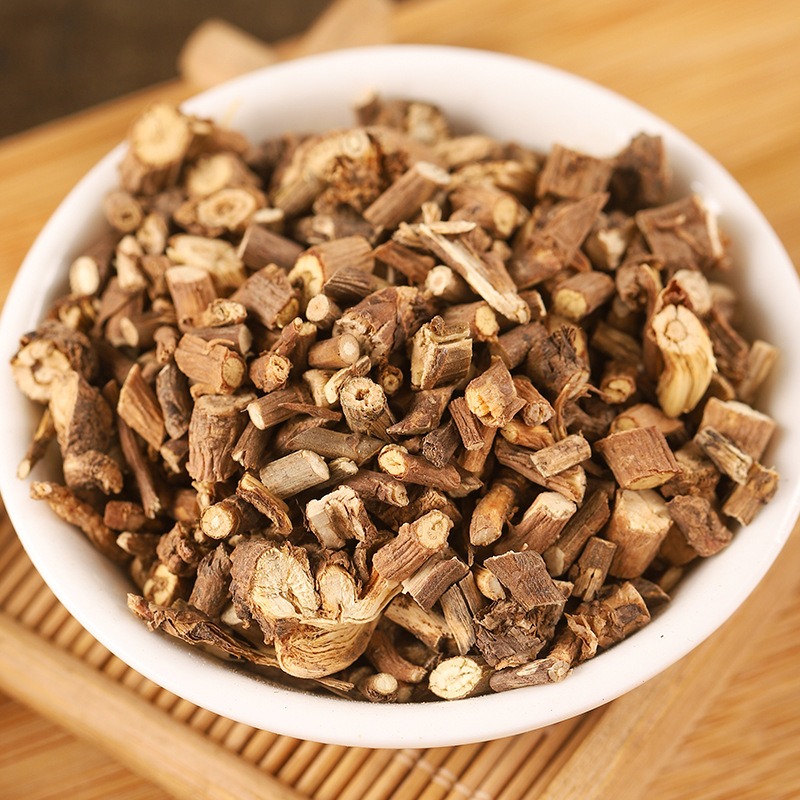
In the formula, Rehmanniae Radix Praeparata (Shu Di Huang): nourishes kidney yin, replenishes essence and marrow, fundamentally addressing lower back pain and leg weakness; Corni Fructus (Shan Zhu Yu): not only supplements yin but also stores yin fluids, preventing their unnecessary loss; Dioscoreae Rhizoma (Shan Yao): assists the kidneys in supplementing yin while also fortifying the spleen and stomach, ensuring that the ingested yin-nourishing herbs are better absorbed. Moutan Cortex (Mu Dan Pi): clears deficiency heat from the kidneys.
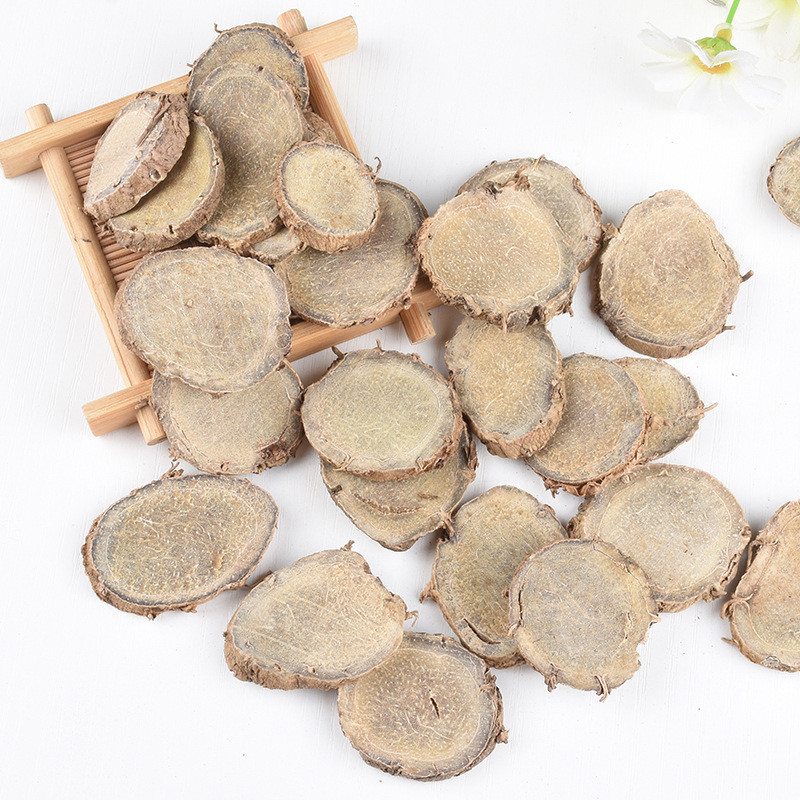
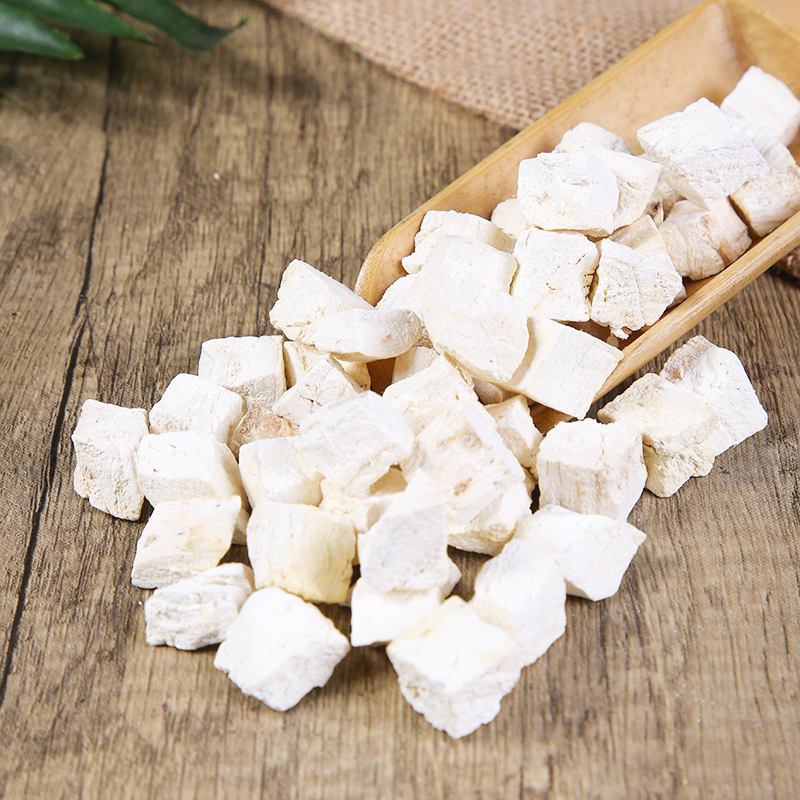
Alisma: Can expel excess dampness from the kidneys; Poria: Works in conjunction with Alisma to expel dampness from the kidneys while also aiding the spleen and stomach in transforming dampness, preventing abdominal bloating after taking tonics, and ensuring a smoother effect of nourishing yin.
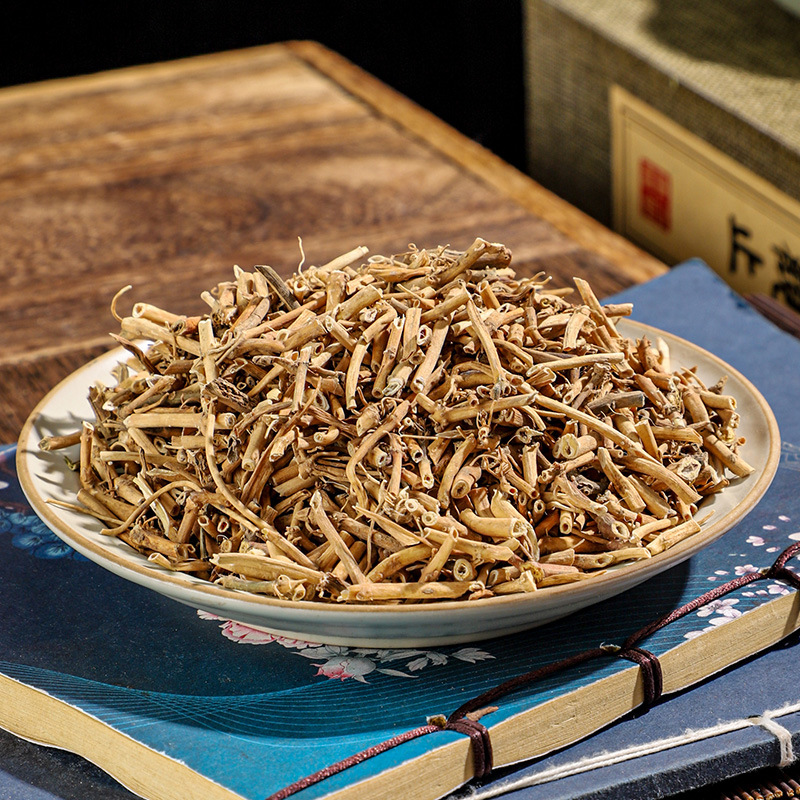
On the basis of these six herbs, we need to add two core herbs for warming yang, which are aconite and cinnamon. Among them, aconite can warm and tonify kidney yang, dispel cold and relieve pain, and drive away cold from the kidneys. Cinnamon: warms yang and dispels cold, guides fire back to its source, while directing yang qi throughout the body, improving cold hands and feet caused by yang deficiency, and enhancing the yang-warming effect of aconite.
It should be noted that because each person's symptoms and constitution are different, it is necessary to consult a traditional Chinese medicine practitioner for guidance on medication and adjust the dosage according to the specific condition of the illness, rather than blindly following trends.