In the four diagnostic methods of Traditional Chinese Medicine observation listening questioning and pulse taking tongue observation is a crucial part Subtle changes in the tongue appearance conceal health signals from within the body just like the tongue edge tooth marks we are going to discuss today which are a very common condition
When it comes to tooth marks on the edges of the tongue, many people's first reaction is "spleen deficiency," thinking it is caused by weakened spleen and stomach transportation and transformation, leading to internal dampness retention. However, the real reason is not just spleen deficiency. Traditional Chinese medicine states that "the liver governs free flow." When the liver's free flow function is impaired, the flow of qi becomes obstructed, which in turn affects the function of the spleen and stomach. This is what traditional Chinese medicine often refers to as "liver wood overacting on spleen earth."
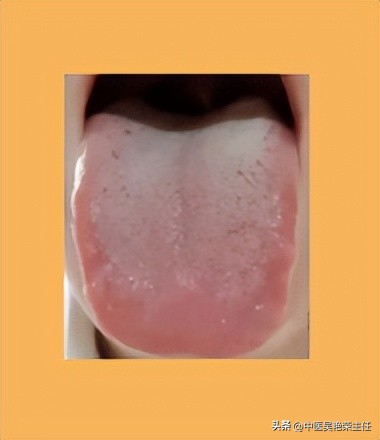
If you often stay up late, get angry easily, or are under so much stress that you can't sleep, the liver's function of regulating the flow of qi is prone to become imbalanced.It's like the "regulator" is stuck.Liver depression transversely restrains the spleen and stomach, leading to a decline in the transportation and transformation capacity of the spleen and stomach, and the tongue will still swell and press out tooth marksThis type of indented tongue in individuals is due to liver qi stagnationThere is often irritability, chest tightness, and even dull pain in the rib area, accompanied by worsening digestion.
So for this situation, regulation should not only focus on the spleen and stomach; it's necessary to check whether the liver is the "prime culprit." Today, I will share with you a commonly kept household medicine—Xiaoyao WanIt is a traditional Chinese medicine that can regulate both the liver and spleen. Many people know it can soothe the liver, but it is also highly effective in regulating the spleen.
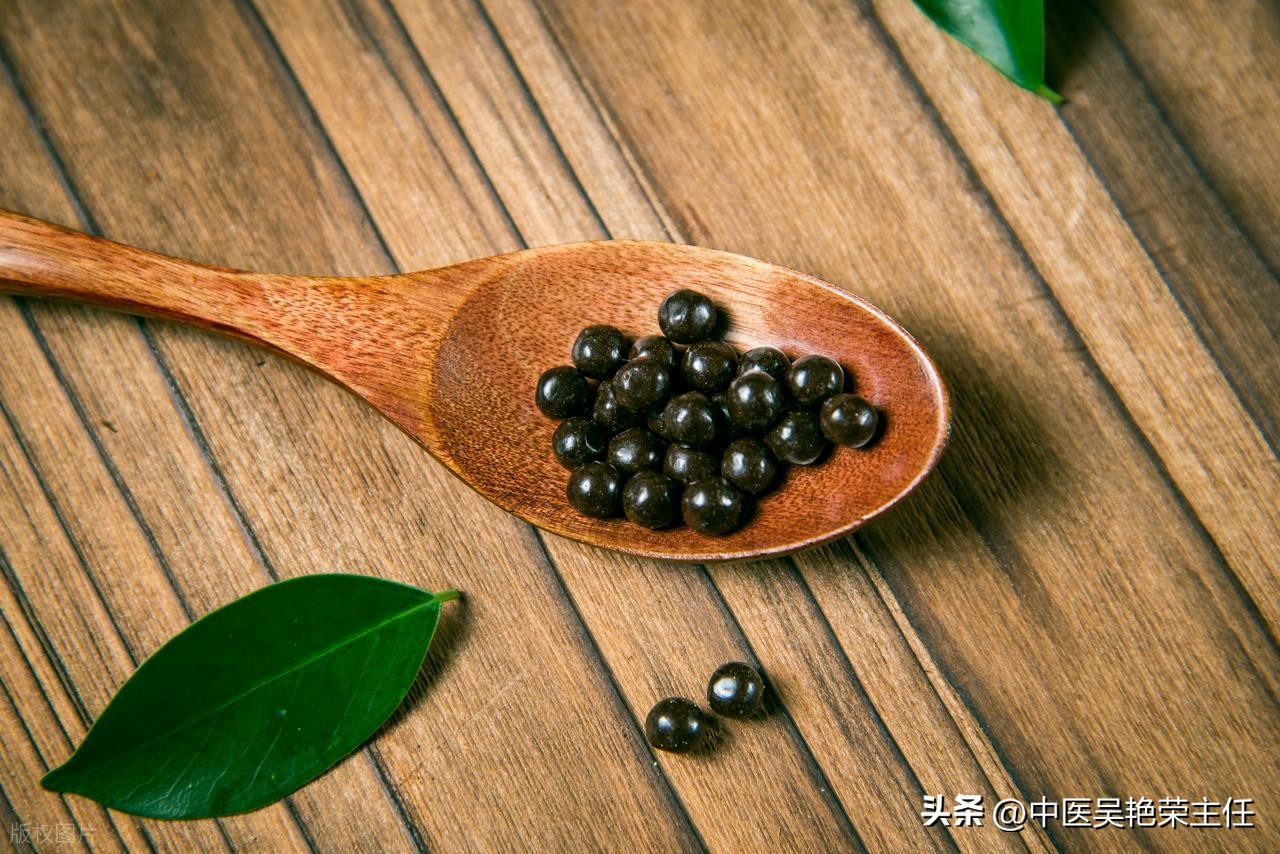
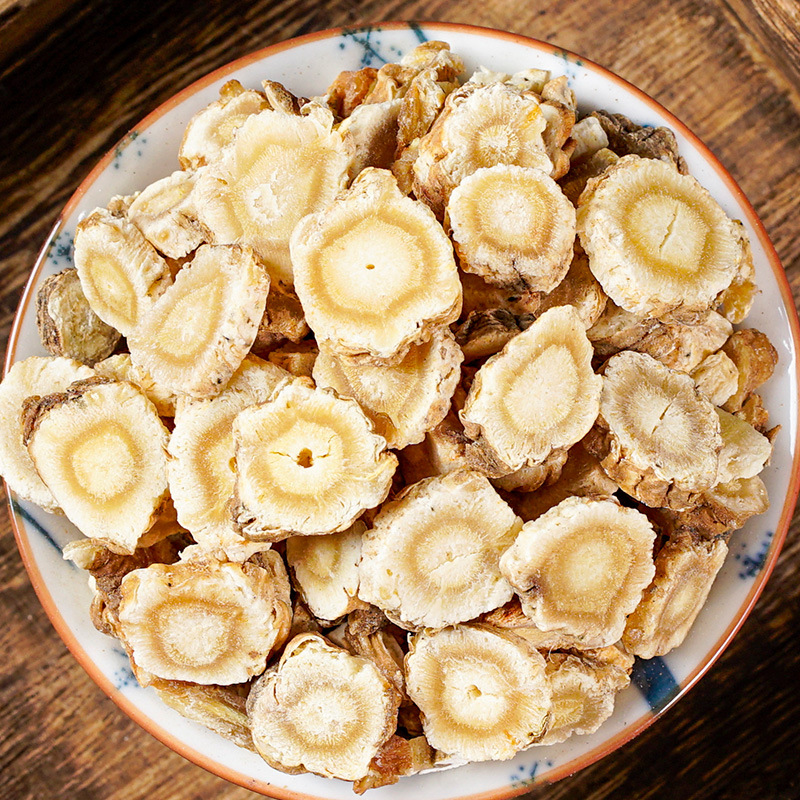
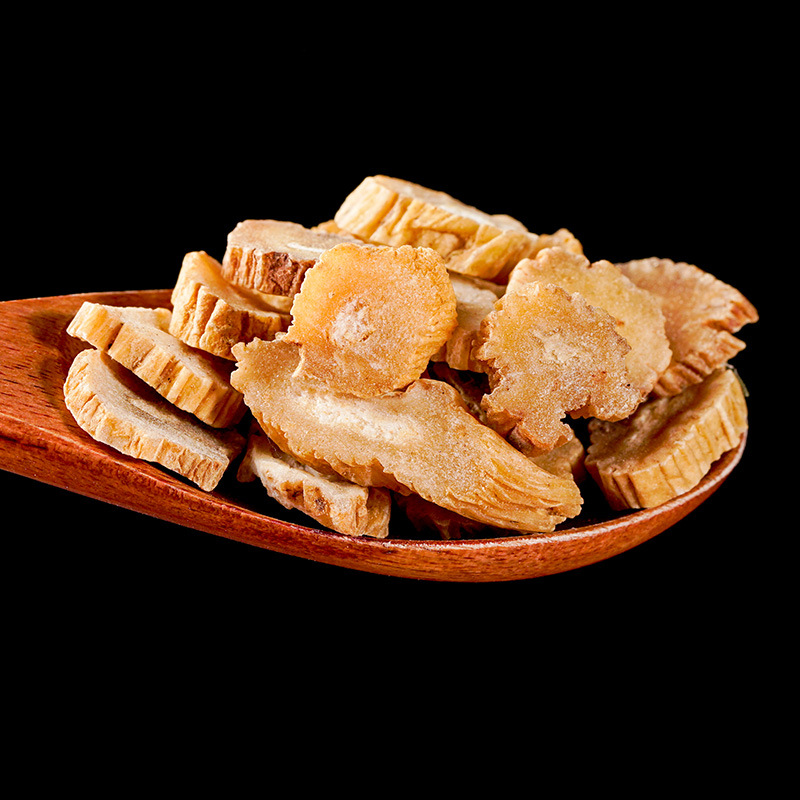
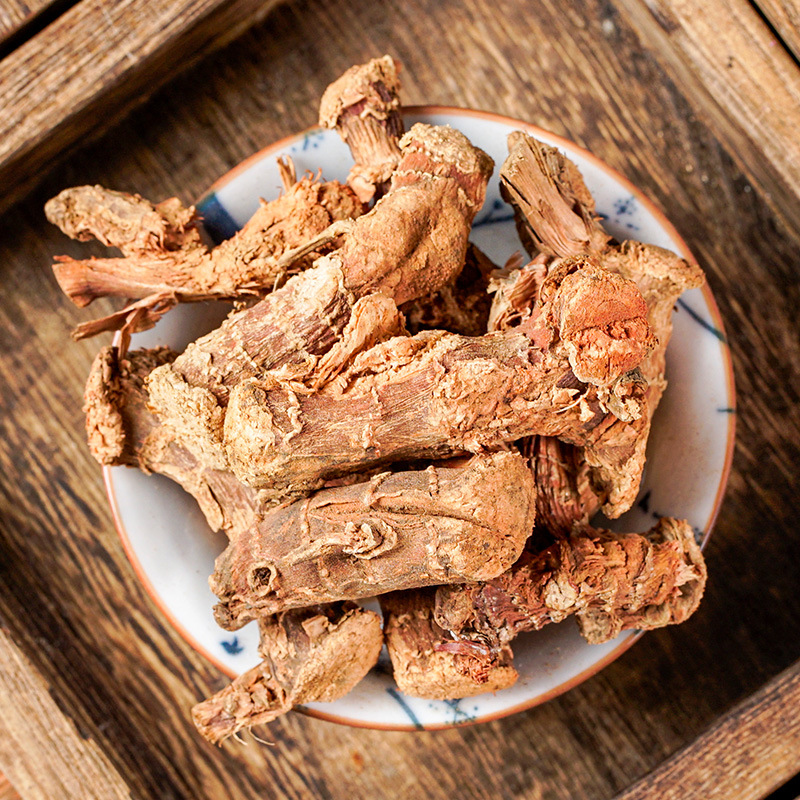
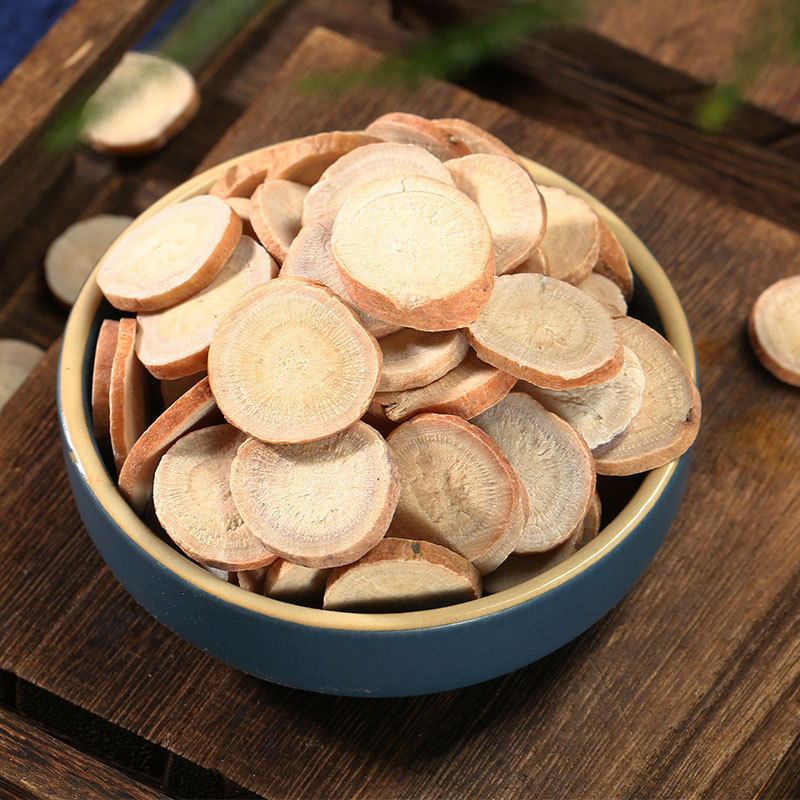
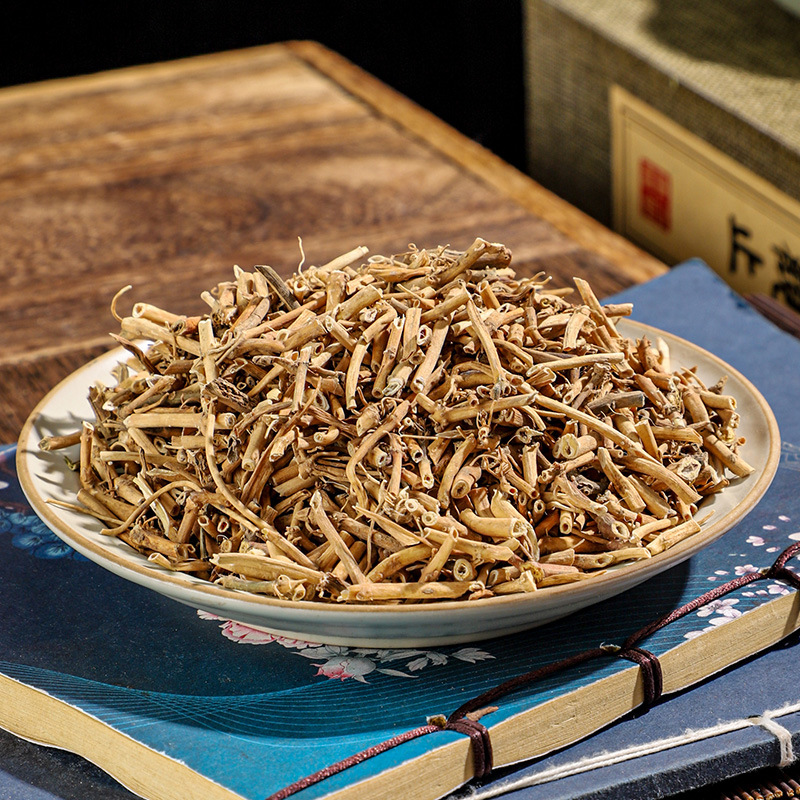
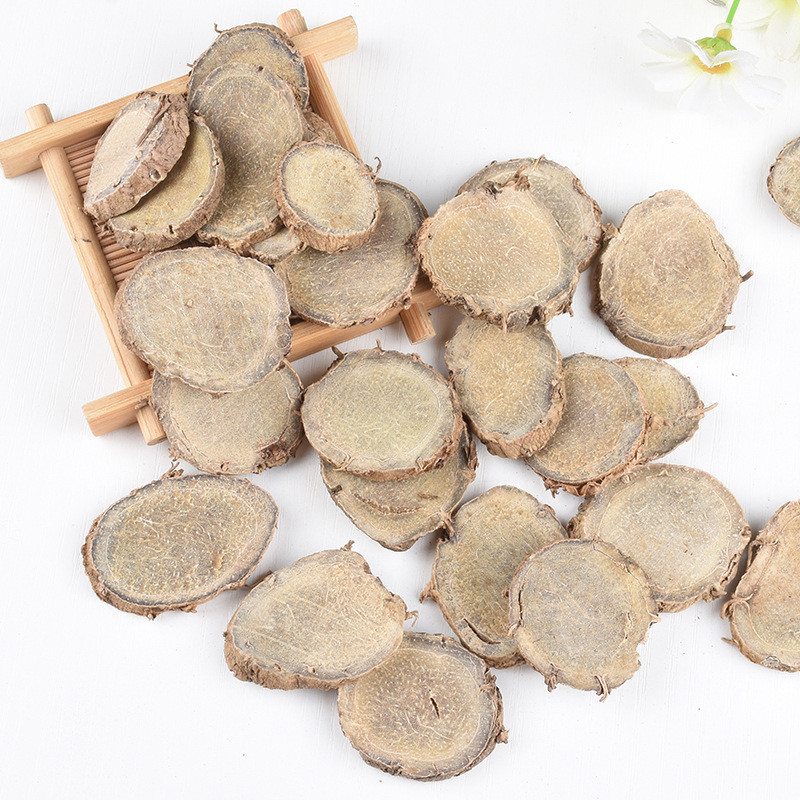
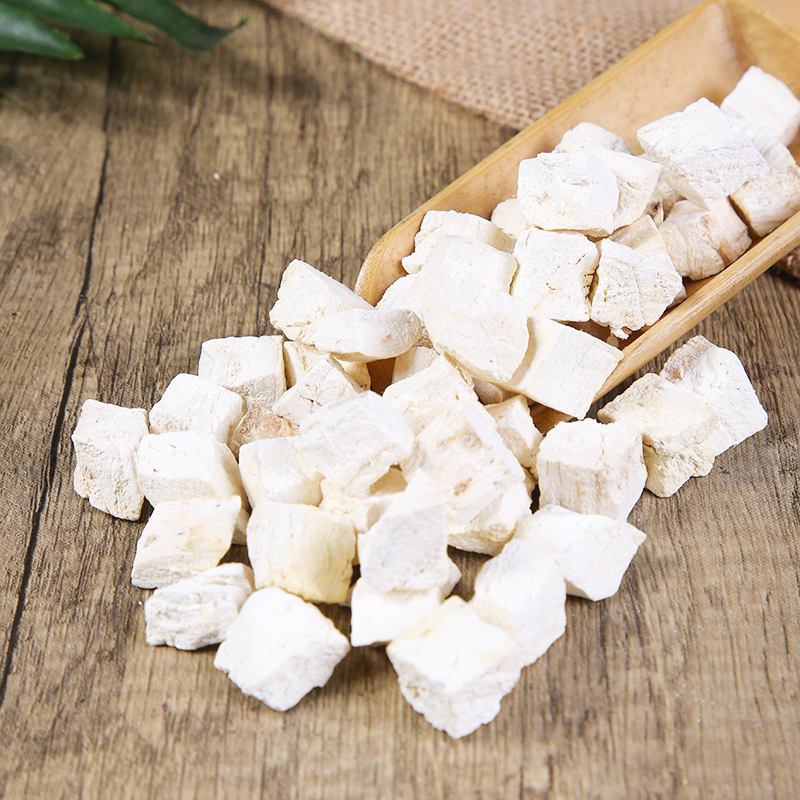
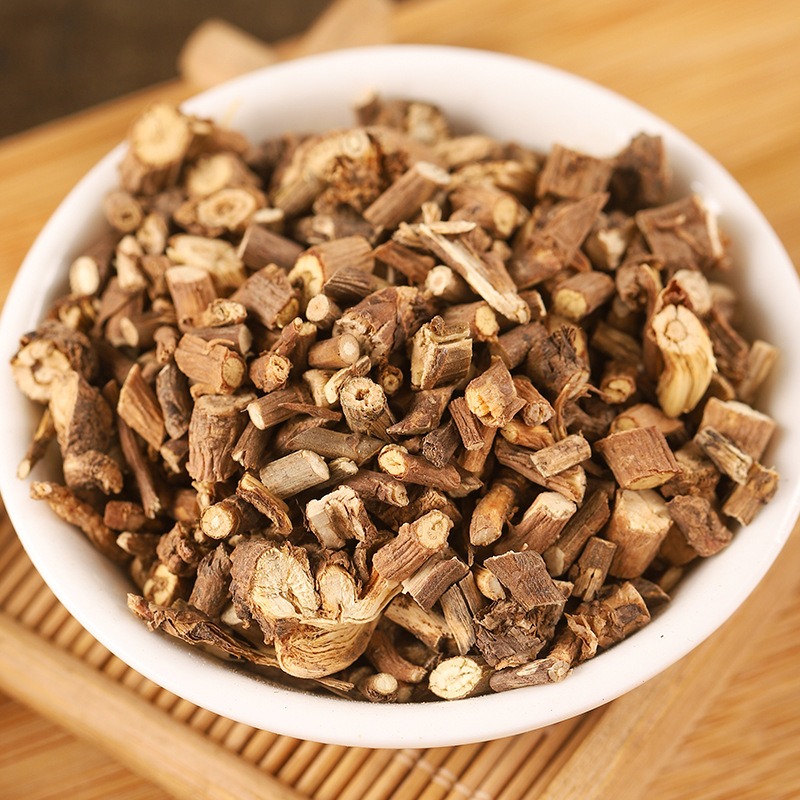
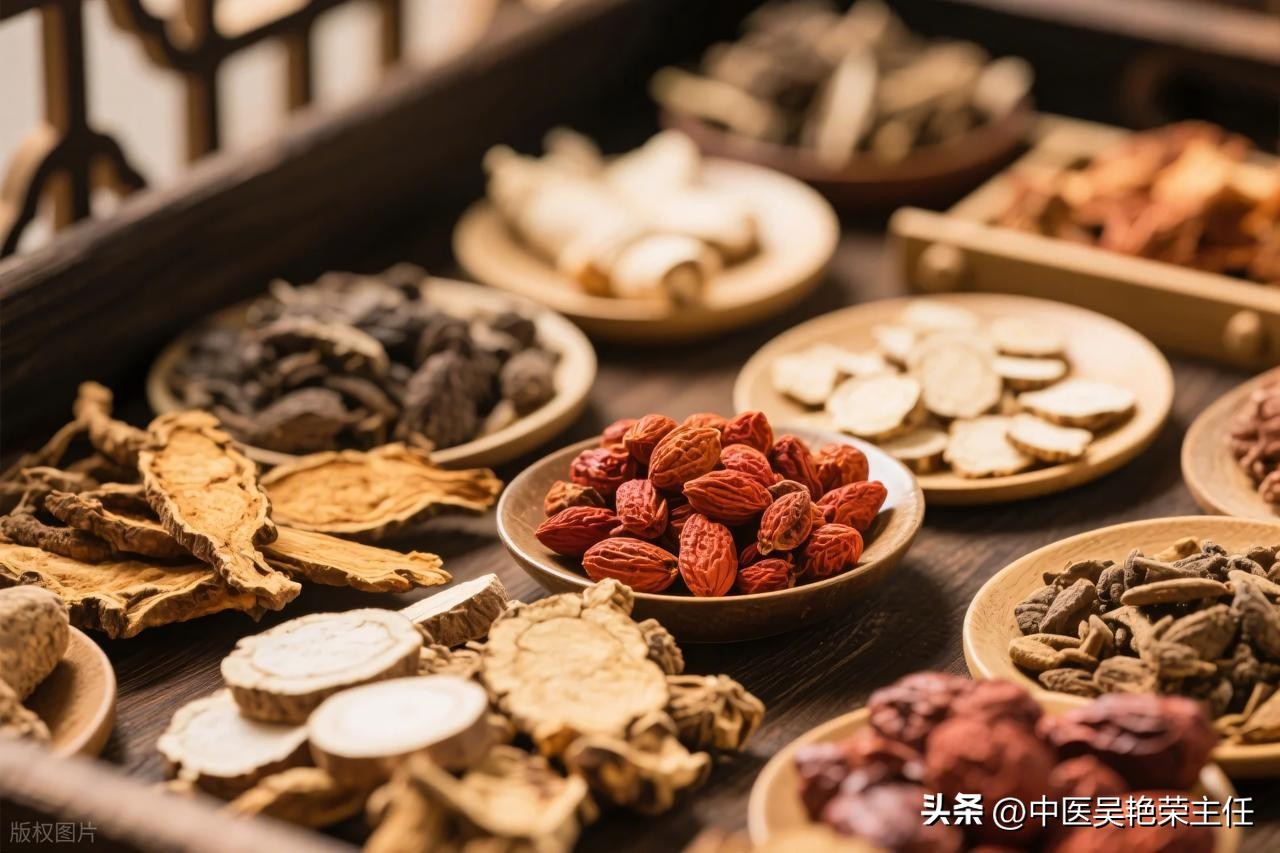
From the perspective of the formula, Bupleurum in Xiaoyao Pills can soothe the liver and relieve depression, straightening out the blocked liver qi; White Peony Root and Chinese Angelica can nourish blood and soften the liver, replenishing nutrients for the "exhausted" liver; Atractylodes and Poria can strengthen the spleen and dispel dampness, clearing away accumulated dampness in the body and restoring the spleen's "transportation" function; coupled with roasted licorice to harmonize the spleen and stomach, and peppermint to assist in soothing the liver and dissipating heat. This combination not only relieves the "depression" of the liver but also supplements the deficiency of the "spleen," regulating both the liver and spleen, allowing dampness to be smoothly expelled, and the tooth marks on the tongue will gradually fade.
However, it is important to remind everyone that Xiaoyao Pills are more suitable for conditions of "liver depression and spleen deficiency." If you have simple spleen deficiency with dampness excess, or if your constitution tends to be hot and prone to internal heat, you should choose other methods for regulation. When encountering discomfort, the best approach is to consult a professional traditional Chinese medicine practitioner for syndrome differentiation before use. The above content is for reference only and does not promote the use of Chinese patent medicines.