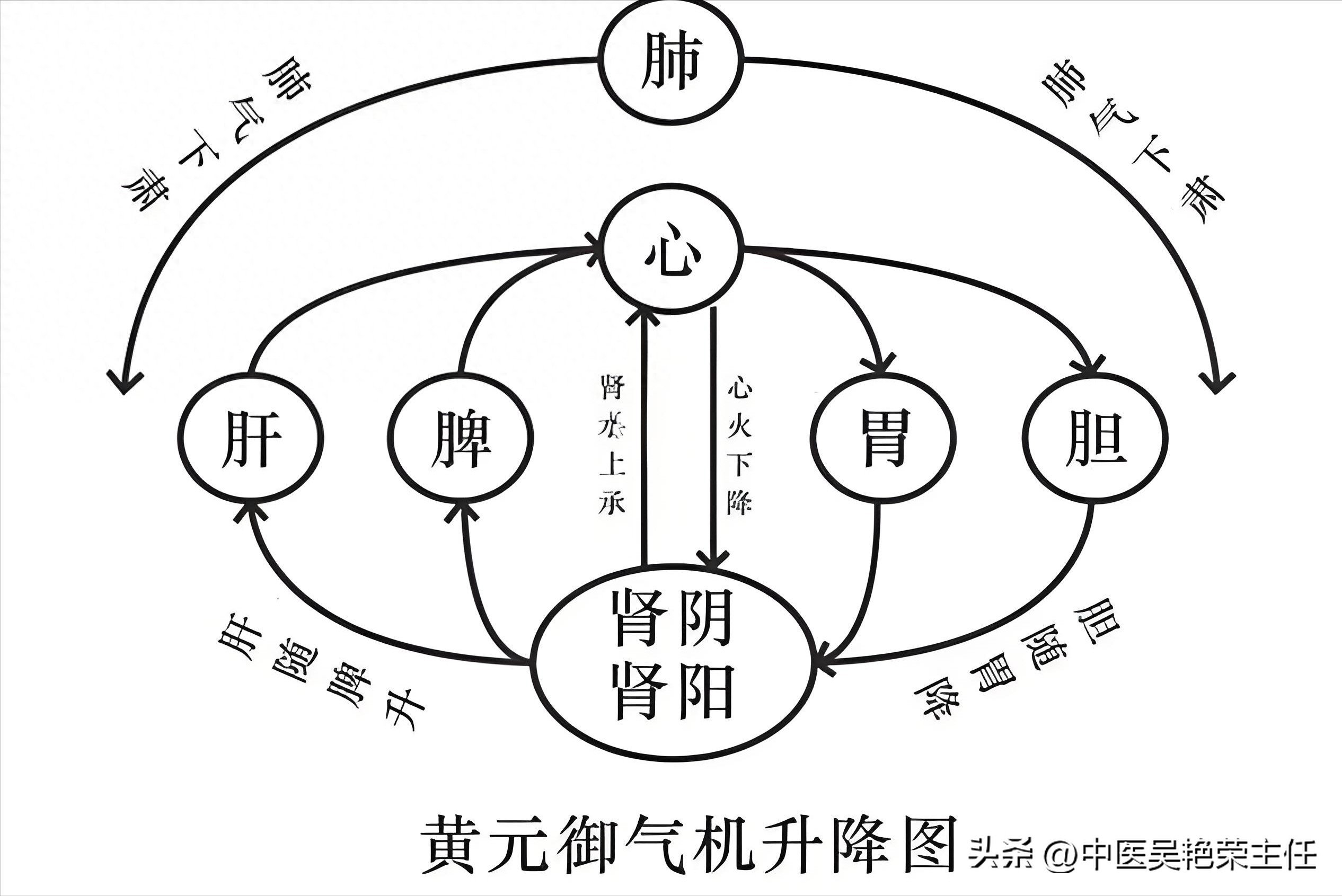
In traditional Chinese medicine theory, the concept of "ascending, descending, exiting, and entering" is the fundamental law of the movement of qi in the human body, and it is also the core driving force of life activities. When the qi in the body fails to descend as it should, the organs are prone to problems, and our bodies will exhibit corresponding symptoms accordingly. Today, I will discuss three of the most common situations of "rebellious qi" and provide solutions for each.
I. Failure of Heart Qi to Descend: Loss of Heart Spirit Restraint, Insomnia Arises Spontaneously
The heart is the "official of the monarch," primarily responsible for storing the spirit. Its qi should descend smoothly; only when the heart qi descends can it interact with kidney water, nourish the heart spirit, and calm the mind. If you experience prolonged emotional extremes that deplete heart yin, or chronic illness and physical weakness leading to insufficient heart yang, it can cause heart qi to rise instead of descend. The floating deficient fire disturbs the heart spirit, resulting in insomnia. Such individuals often also experience symptoms such as frequent dreaming and easy awakening, palpitations and anxiety, chest tightness and shortness of breath, and a reddened tongue tip.
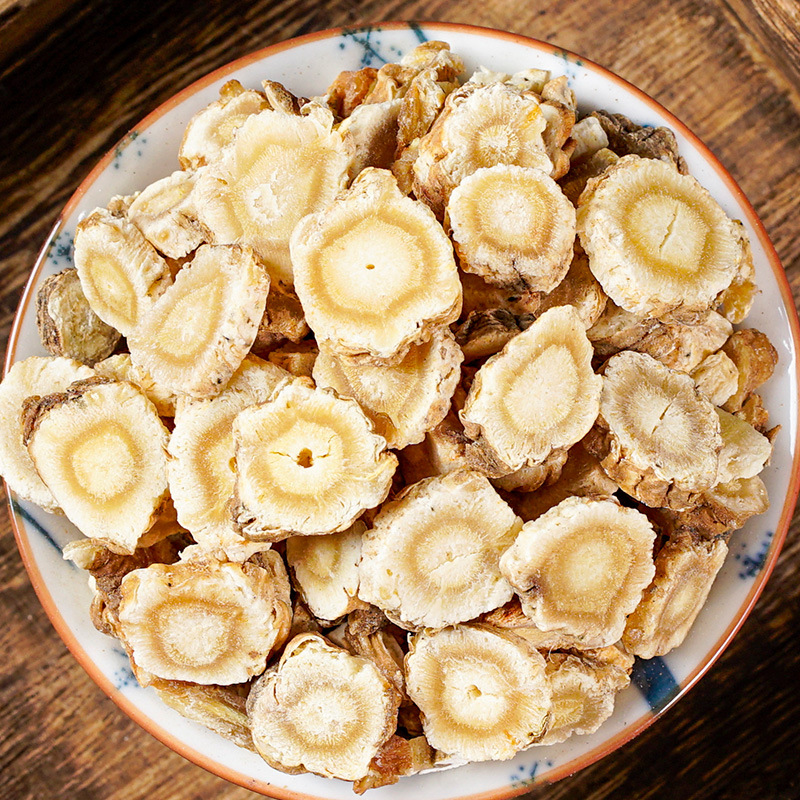
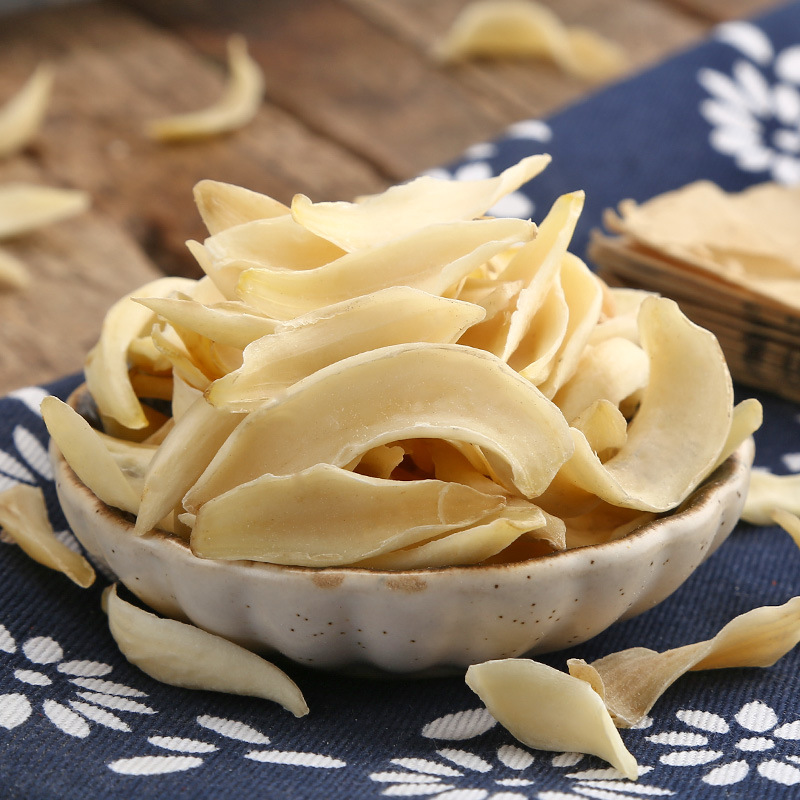
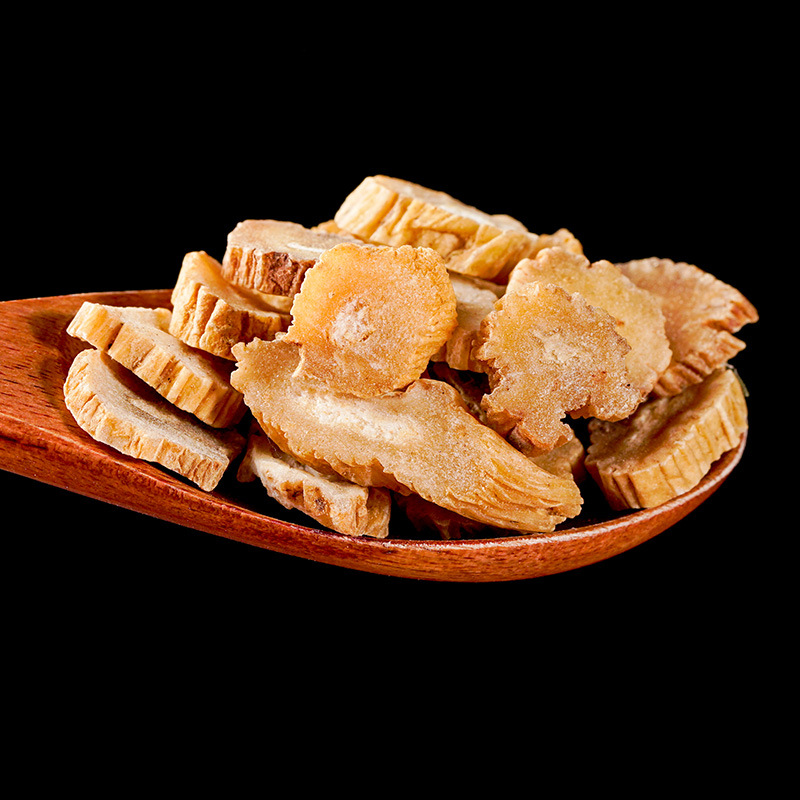
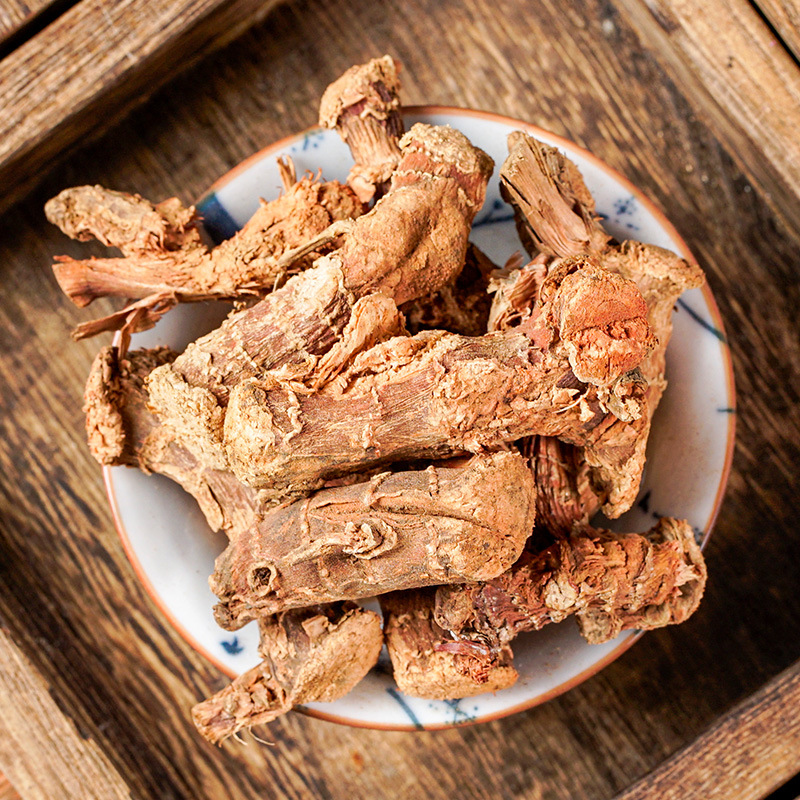
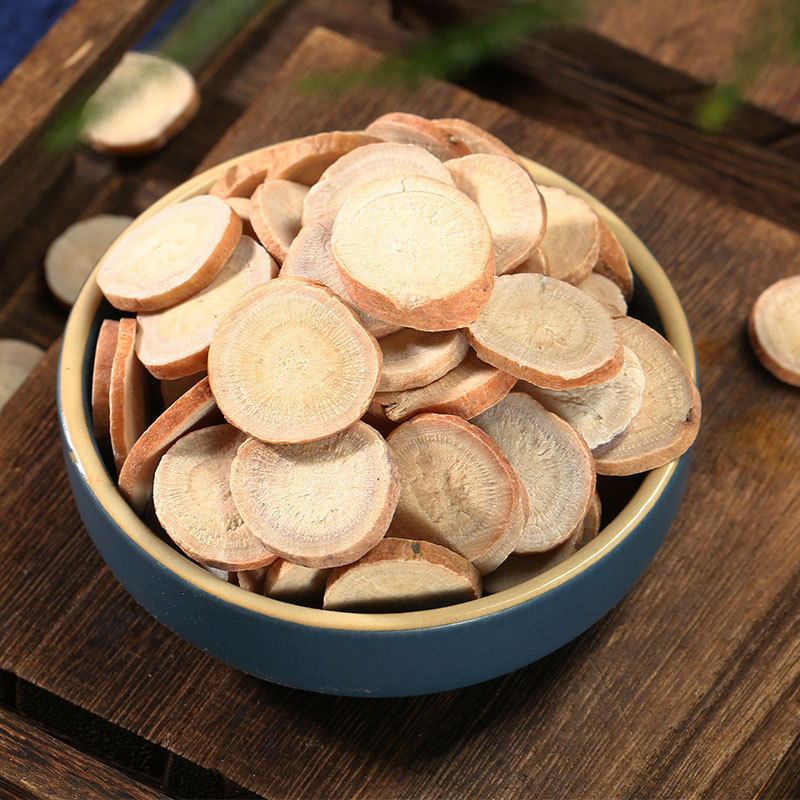
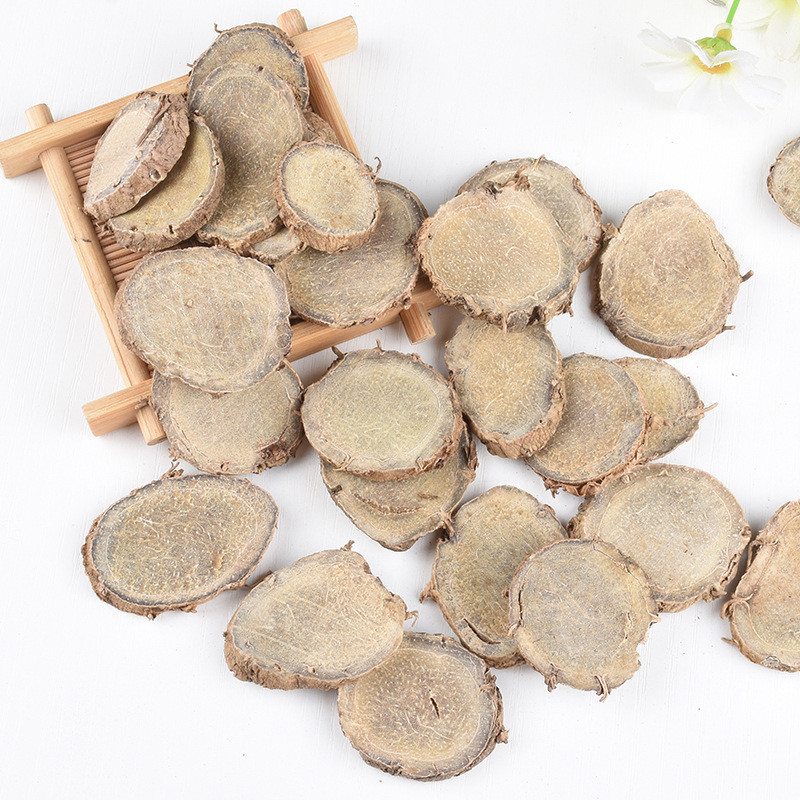
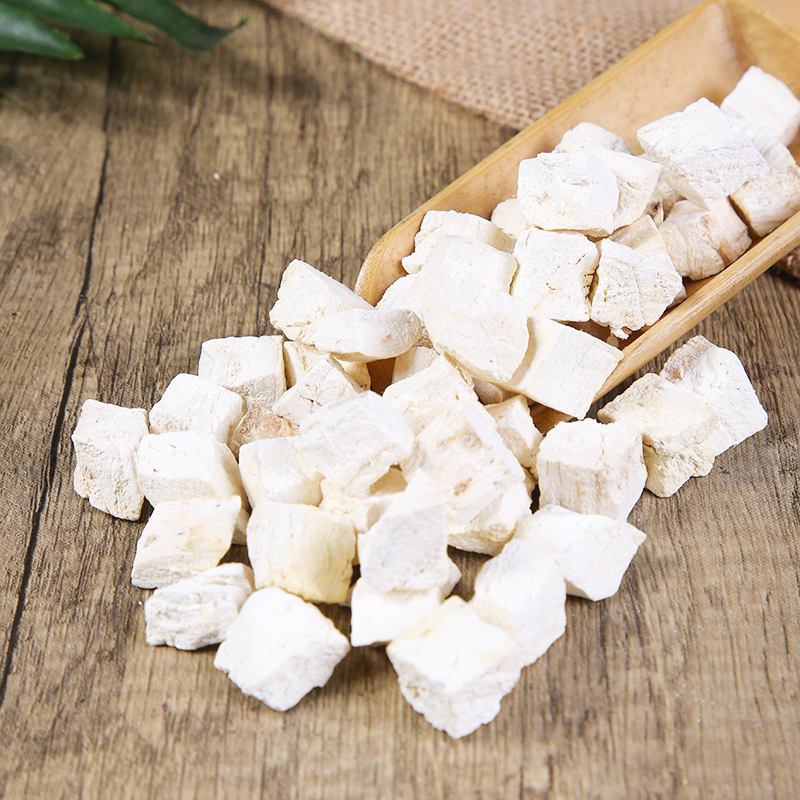
The regulation should focus on "descending qi and calming the heart." Consider using sour jujube seed and arborvitae seed to astringe the heart and calm the spirit, polygala root and poria to connect the heart and kidneys, supplemented by raw rehmannia root and ophiopogon root to nourish yin and reduce fire, guiding heart qi to descend and restoring the function of heart spirit astringency.
II. Failure of Liver Qi to Descend: Stagnation Transforming into Fire, Giving Rise to Irritability
The liver governs free flow and regulates the qi movement of the whole body. Although its qi is characterized by "ascending and dispersing," it requires "descending" to restrain the ascending tendency, forming a balance of "ascending within descending and descending within ascending." When emotions are depressed for a long time, it is easy to lead to liver qi stagnation, dysfunction of free flow, excessive ascending of liver qi without a descending pathway, and over time, it is prone to transform into fire.
People of this type usually experience dizziness, red eyes, chest and hypochondriac distension and pain, bitter taste in the mouth, dry throat, and even shallow sleep, easy to wake up, etc., in addition to restlessness. The principle of regulation should be "soothing the liver and reducing fire, regulating qi and lowering adverse qi", and Danzhi Xiaoyao Powder can be used as a reference for modification.

III. Failure of Stomach Qi to Descend: Turbid Yin Rebels Upward, Leading to Acid Reflux
The stomach is the "official of granaries", responsible for receiving and digesting food and drink, and its qi "descends to maintain harmony". If one has long-term irregular diet, emotional distress, or weak spleen and stomach, it can lead to failure of stomach qi to descend and upward disturbance of turbid yin.
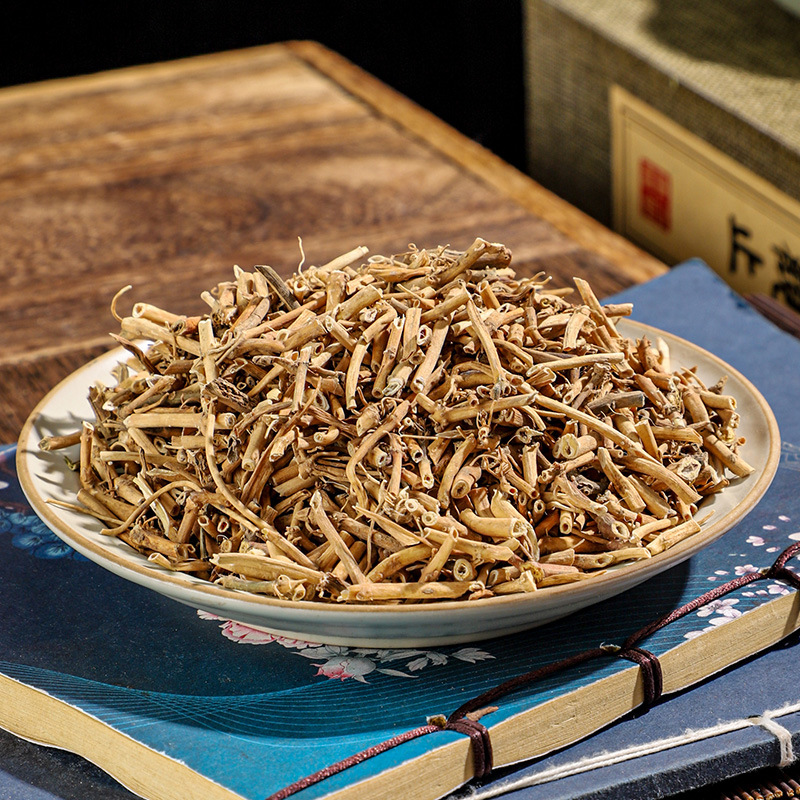
This type of person often experiences symptoms such as epigastric distension, frequent belching, poor appetite, and even stomach pain and nausea. In terms of regulation, the core approach should be "harmonizing the stomach and descending counterflow, regulating qi and relieving distension." For reference, Inula flower and hematite can be used to descend counterflow and stop vomiting; Pinellia ternata and dried tangerine peel can harmonize the stomach and regulate qi; Coptis chinensis and Evodia rutaecarpa, with their pungent and bitter properties, can both inhibit excessive stomach acid and promote the downward movement of stomach qi, restoring the stomach's functions of receiving and regulating ascent and descent.
Of course, no matter how exquisite the method may sound, it must be fully tailored to the specific condition to achieve a cure. For instance, some individuals not only have unregulated heart qi but also unregulated stomach qi, which requires consideration of adjusting the dosage of medication. To ensure safety and effectiveness, it is essential to use it under the guidance of a professional traditional Chinese medicine practitioner based on syndrome differentiation. The above content is for reference only, and no promotion is made regarding proprietary Chinese medicines.