Now that the temperature has dropped in winter, many people will obviously feel chilly all over, especially in the three parts of the back, waist and legs, and stomach. When autumn and winter come, these parts become extremely cold, and even feel like ice cubes to the touch. In fact, this is not simply "fear of cold", but a signal from the body that yang qi is insufficient and the functions of the internal organs are weakened!
Traditional Chinese medicine believes that "yang qi warms the body." The yang qi in the human body is responsible for warming the organs and nourishing the limbs and bones. Once the yang qi of a certain organ becomes deficient, the corresponding area will experience symptoms such as coldness and aversion to cold.back waist and legs and belly these three parts correspond to the heart kidney and spleen the three major organsThe root cause of feeling coldEssentially, it is a deficiency of heart yang, kidney yang, and spleen yangNext, I will analyze these three situations with everyone, provide targeted adjustments, and precisely supplement yang to warm the body.
First, cold back—focus on nourishing heart yang
Many people feel a chill in their back as soon as autumn arrives. Even when wearing thick clothing, they often sense a cold air emanating from their back, accompanied by a fear of cold and cold hands and feet. The core reason behind this is insufficient heart yang. In traditional Chinese medicine, the heart is considered the "fire organ," responsible for the body's yang energy. All yang meridians in the body are connected to the heart, and the Du meridian along the back is known as the "sea of yang meridians," governing the yang energy throughout the body. The circulation of qi and blood in the Du meridian relies on the warming and promoting effects of heart yang.
Once the heart yang is deficient, it cannot warm the governor vessel and all the yang vessels in the body. RegulateWhen regulating, it is necessary to warm and tonify heart yang, calm the mind, and stabilize the spiritFor reference useBai Zi Yang Xin Wan。It can warm and tonify heart yang, replenish qi and nourish blood, as well as calm the mind and aid sleep。
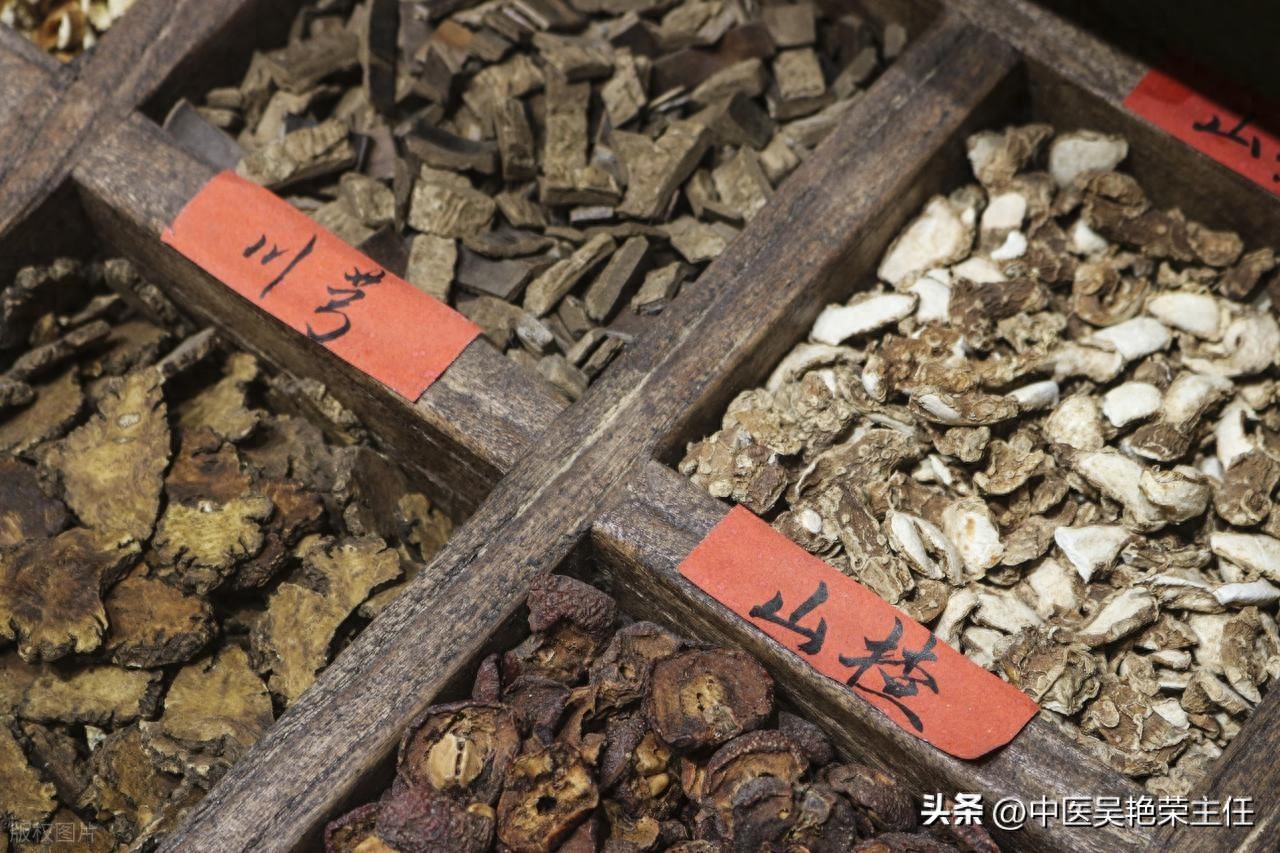
Two, Cold Waist and Legs—Focus on Tonifying Kidney Yang
Many people, especially middle-aged and elderly individuals, often feel a distinct chill in their lower back and legs, a cold sensation that persists even when wearing thick pants or cotton shoes. In some cases, the coldness in the legs and feet becomes so severe at night that it interferes with sleep. This is actually a typical sign of kidney yang deficiency.
Traditional Chinese medicine holds the belief that the waist is the residence of the kidneys, which are located in the lower back area. Kidney yang is considered the foundation of life in the human body, responsible for warming the entire body, particularly the lower limbs.During the conditioning process, it is important to warm and tonify kidney yang, strengthen tendons and bonesFor reference useCinnamon and Aconite Rehmannia Pill。It can warm and tonify kidney yang, transform qi and promote water metabolism, precisely supplementing kidney yang while strengthening the waist and kidneys.
Three, Cold Abdomen - Focus on Strengthening Spleen Yang
Some people's most obvious issue is a cold abdomen; when touched, it feels as cold as ice. Eating even a small amount of cold or raw food can immediately cause stomach pain and diarrhea. Their digestion is also poor; consuming a little greasy or hard-to-digest food leads to bloating, belching, and long-term loose, unformed stools that may even stick to the toilet and are difficult to flush. The root cause behind this is spleen and stomach deficiency cold and insufficient spleen yang.
Traditional Chinese medicine believes that the spleen governs transportation and transformation, with spleen yang being the core driving force of the spleen and stomach's transportation and transformation functions, responsible for warming the spleen and stomach and digesting food and water. Once spleen yang is deficient, the warming and transportation functions of the spleen and stomach decline, while cold accumulates in the abdomen.During the conditioning period, it is necessary to warm and tonify the spleen yang, strengthen the spleen, and stop diarrhea.For reference useFuzi Lizhong Wancarry out conditioningIt can strongly warm and tonify spleen yang, dispel cold in the abdomen, and also replenish qi and strengthen the spleen, enhancing the spleen and stomach's transportation and transformation functions.
Finally, it must be reminded that everyone's constitution and specific symptoms are different. Therefore, if you really need to use medication for conditioning, you must first consult a professional traditional Chinese medicine practitioner to clarify the diagnosis based on syndrome differentiation, and adjust the prescription according to your own situation. Do not casually take medicine on your own to avoid causing trouble for your body due to incorrect treatment.